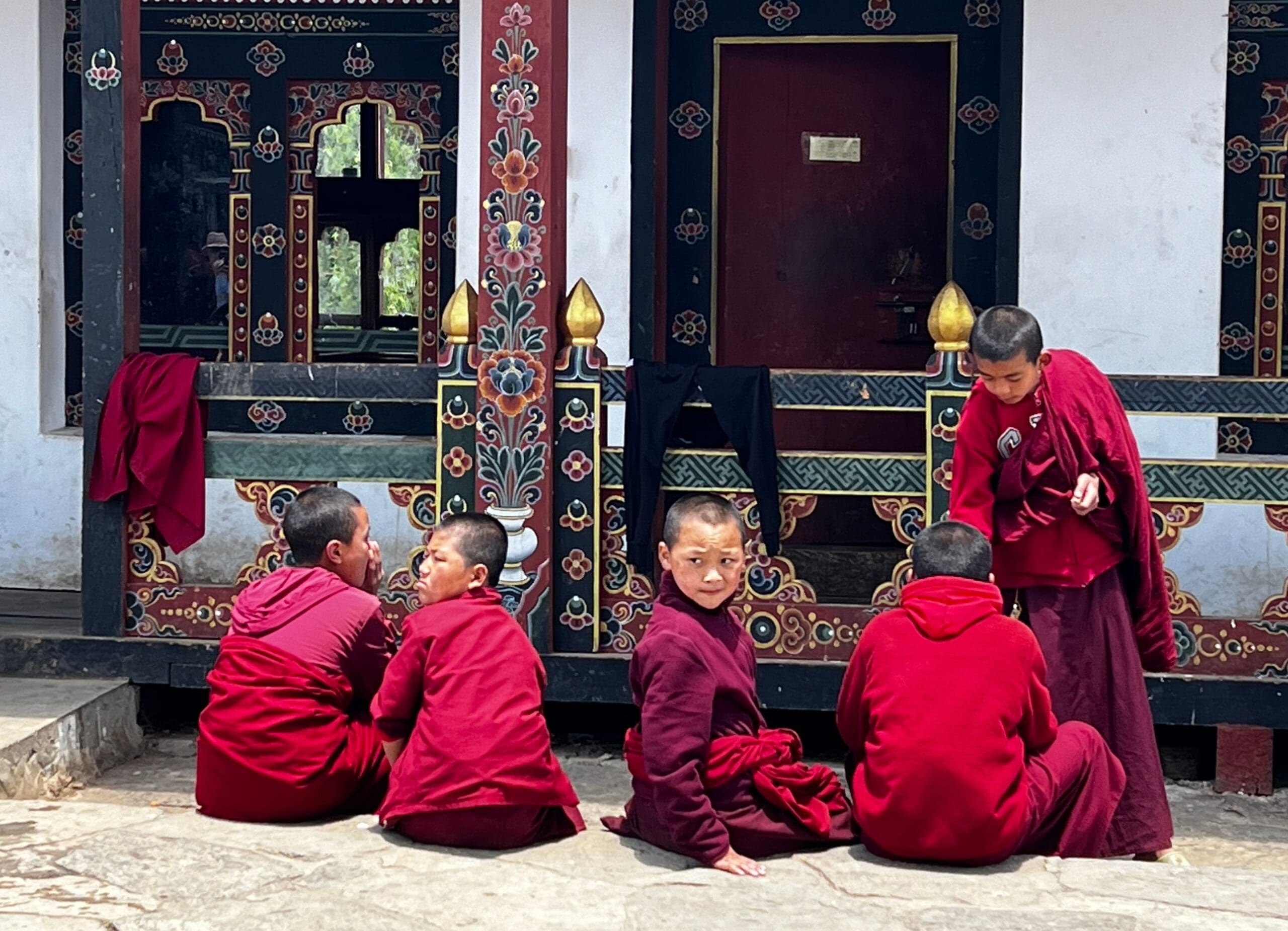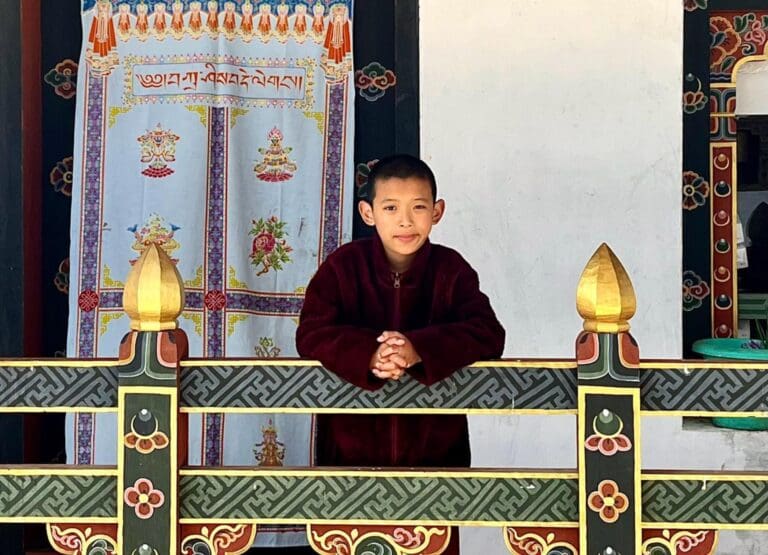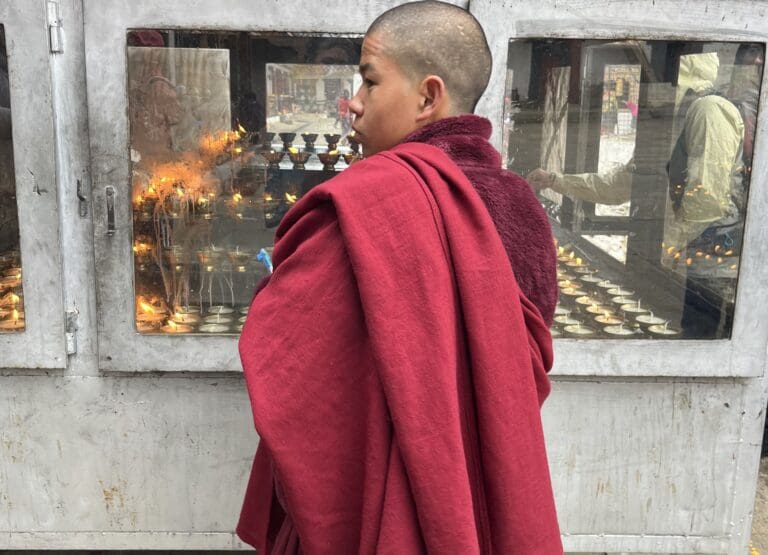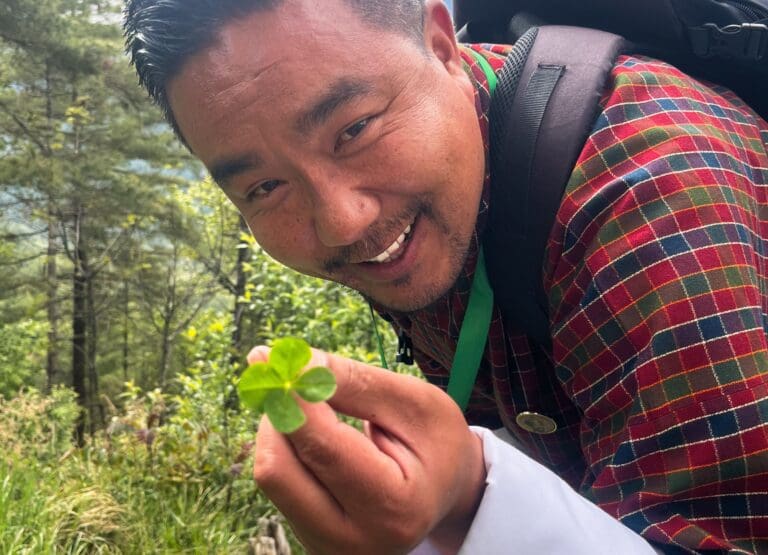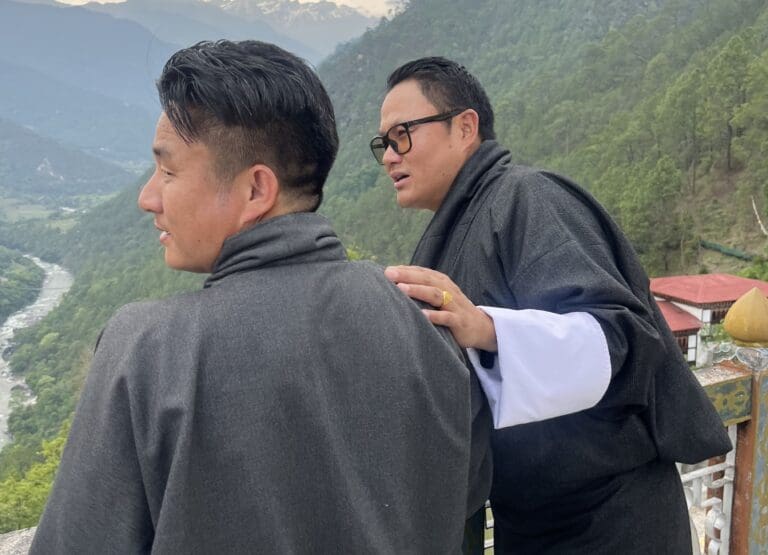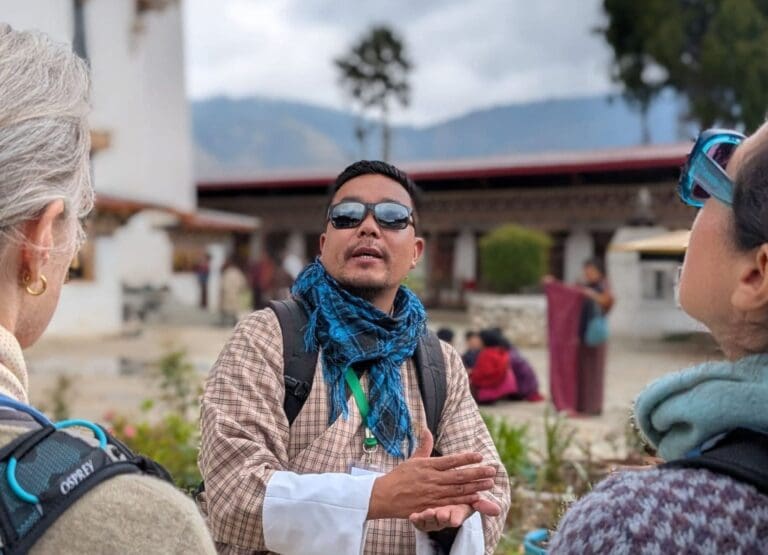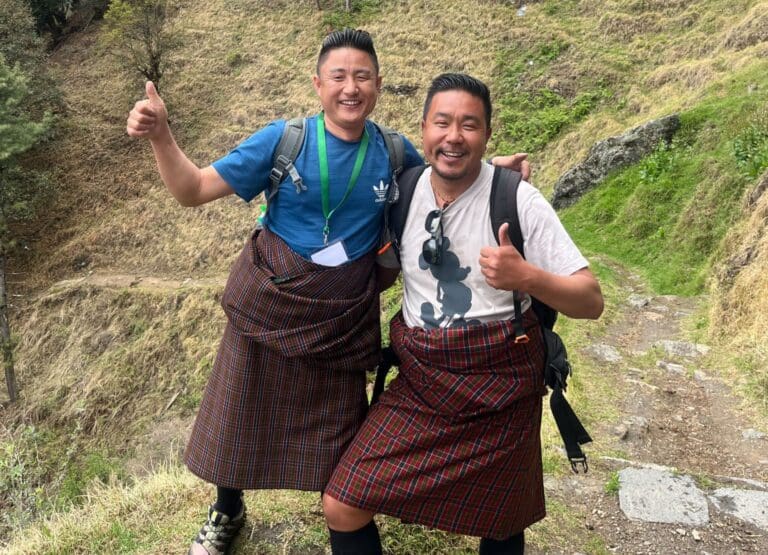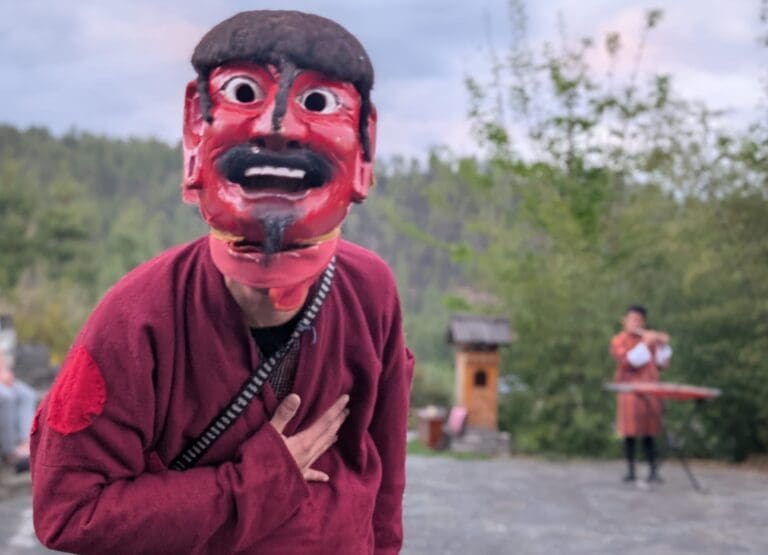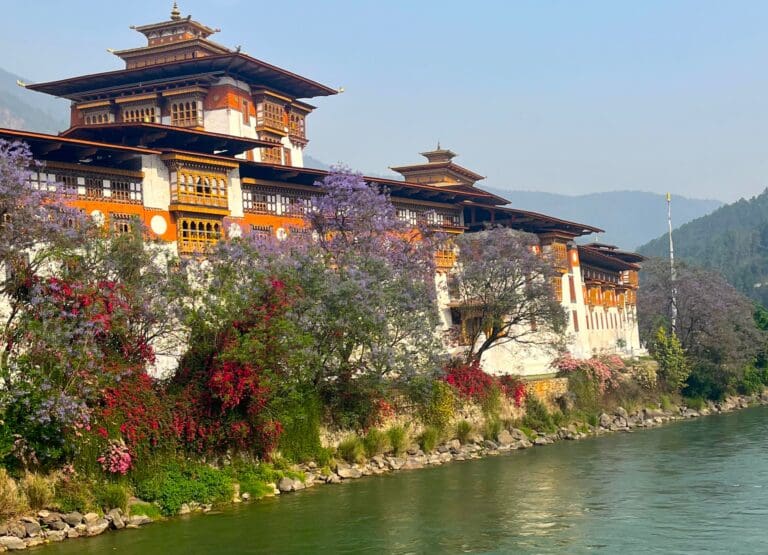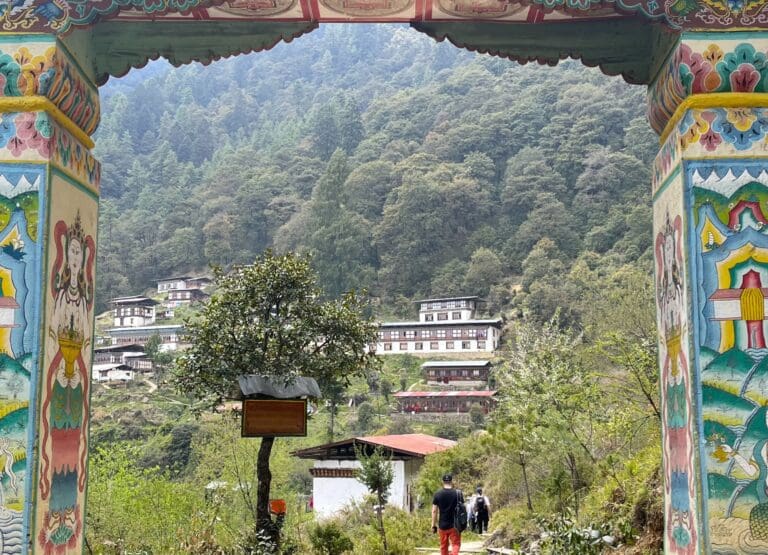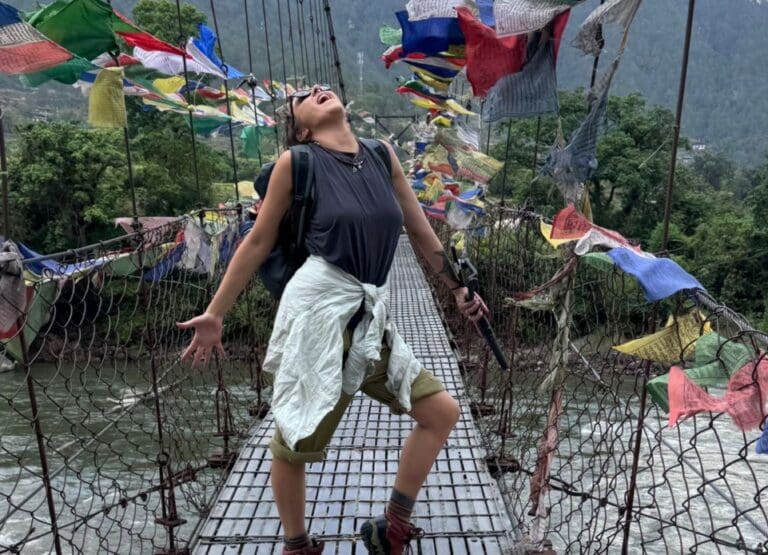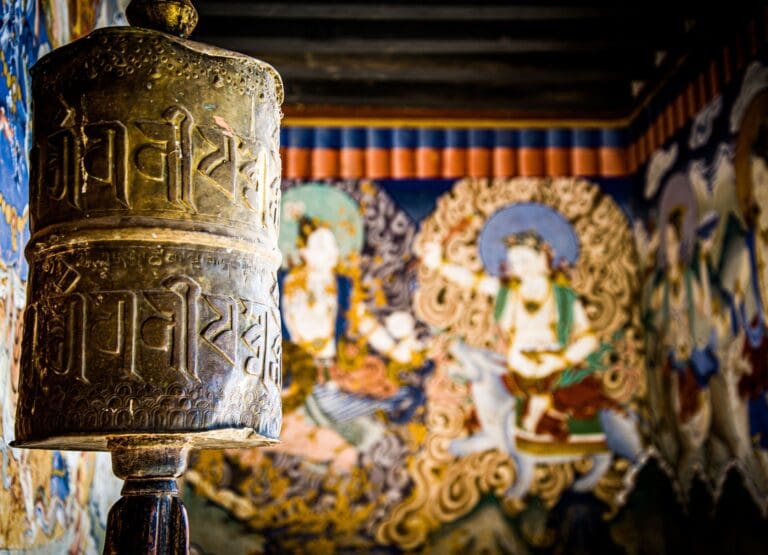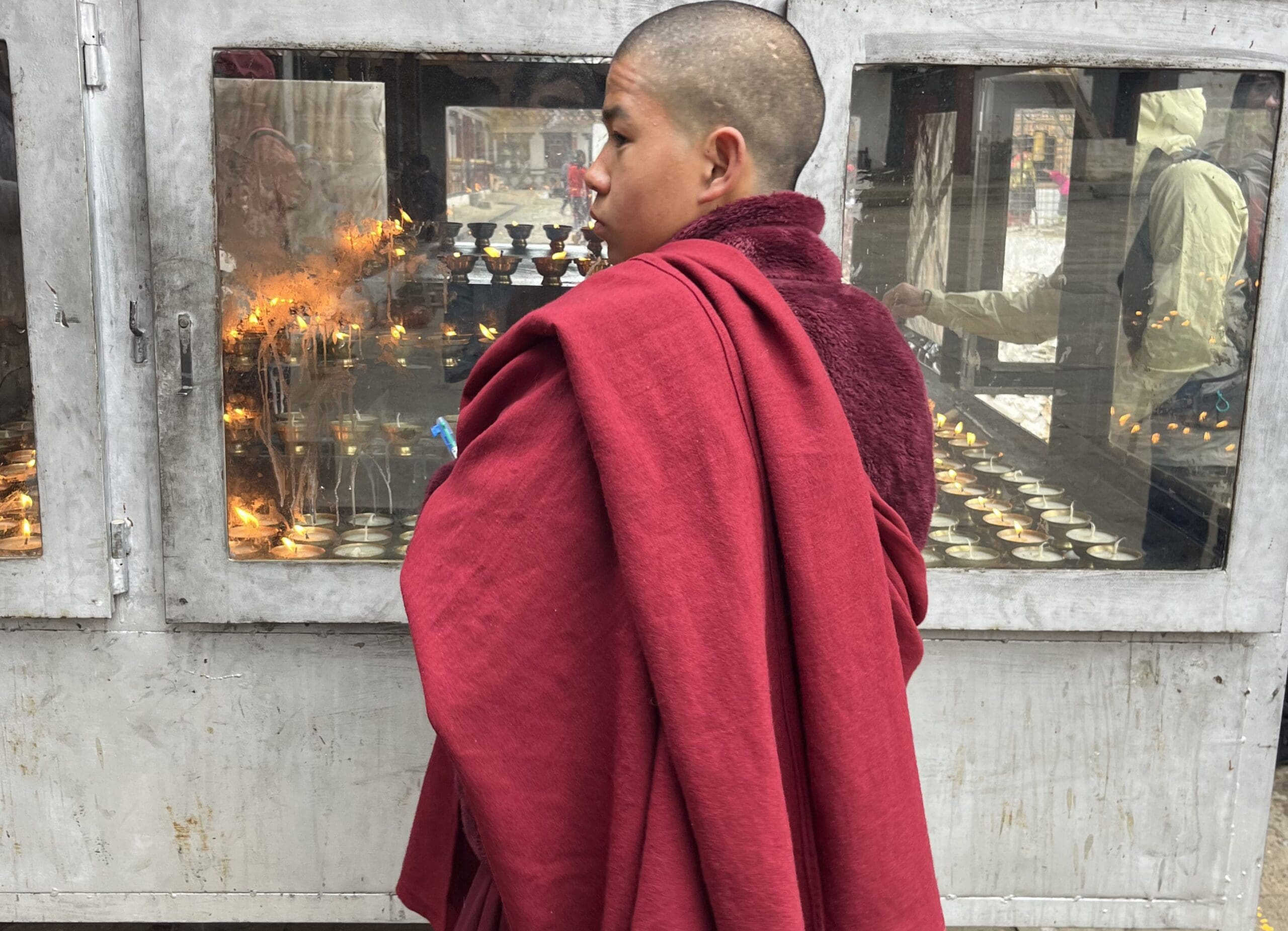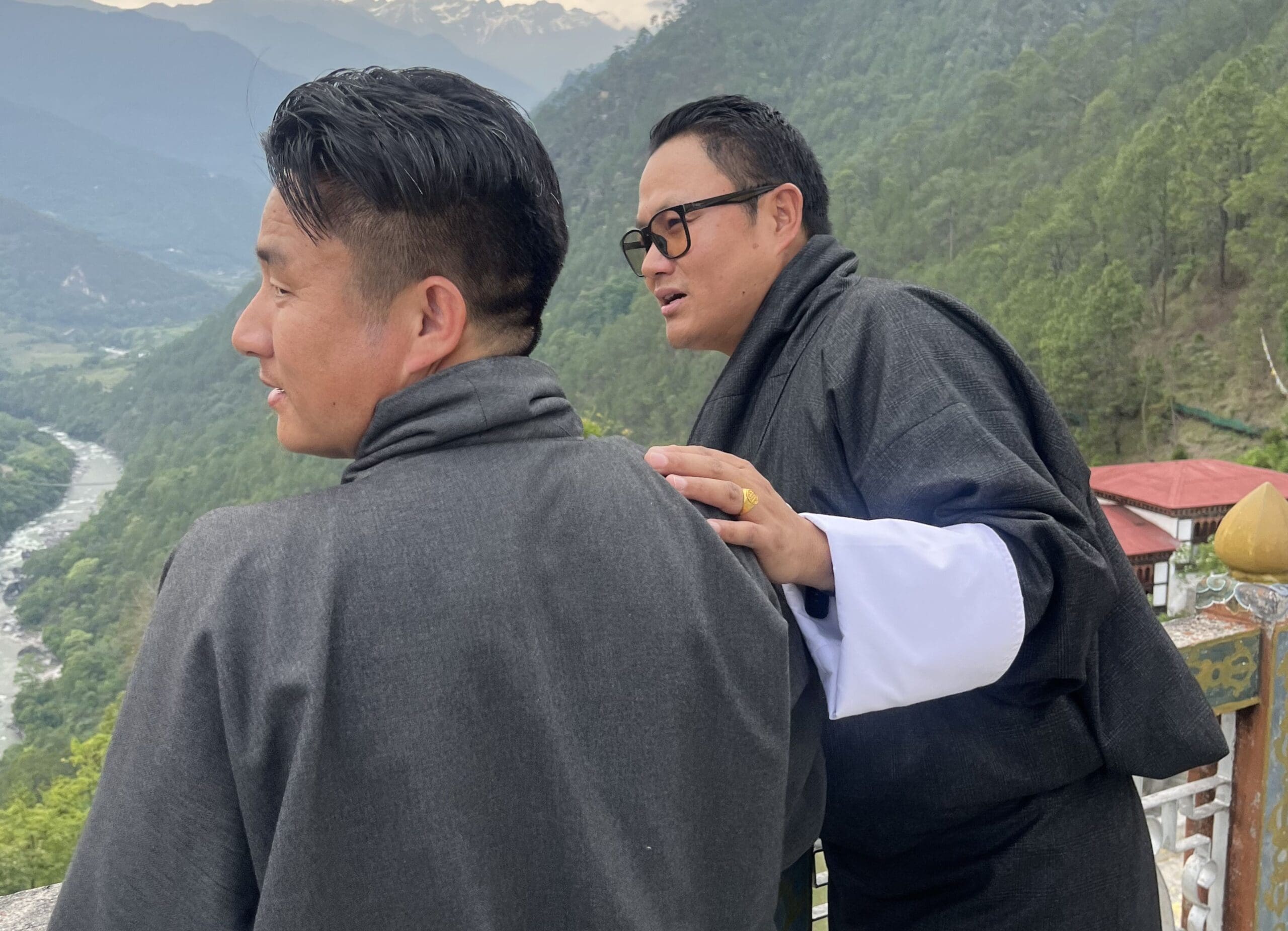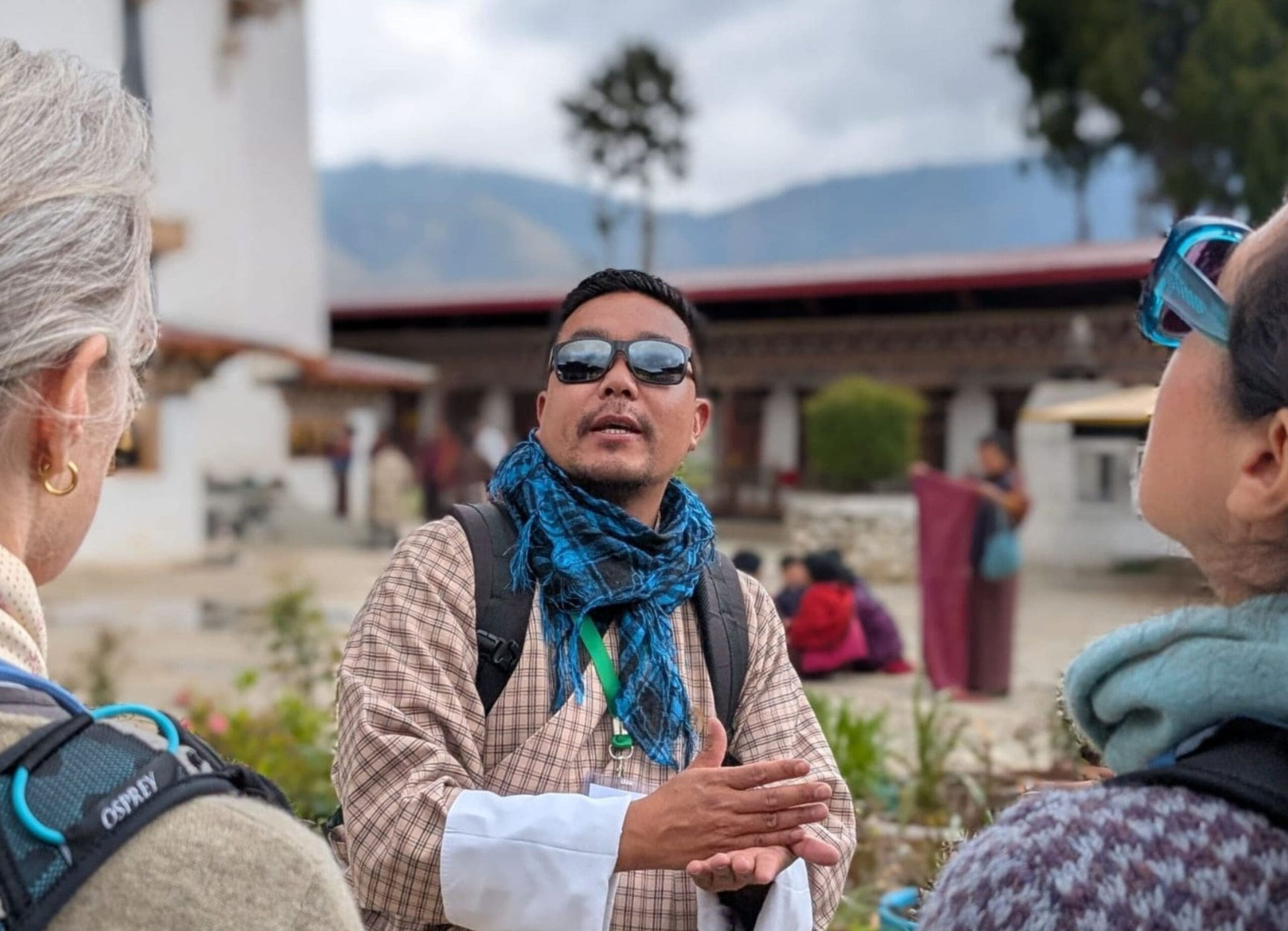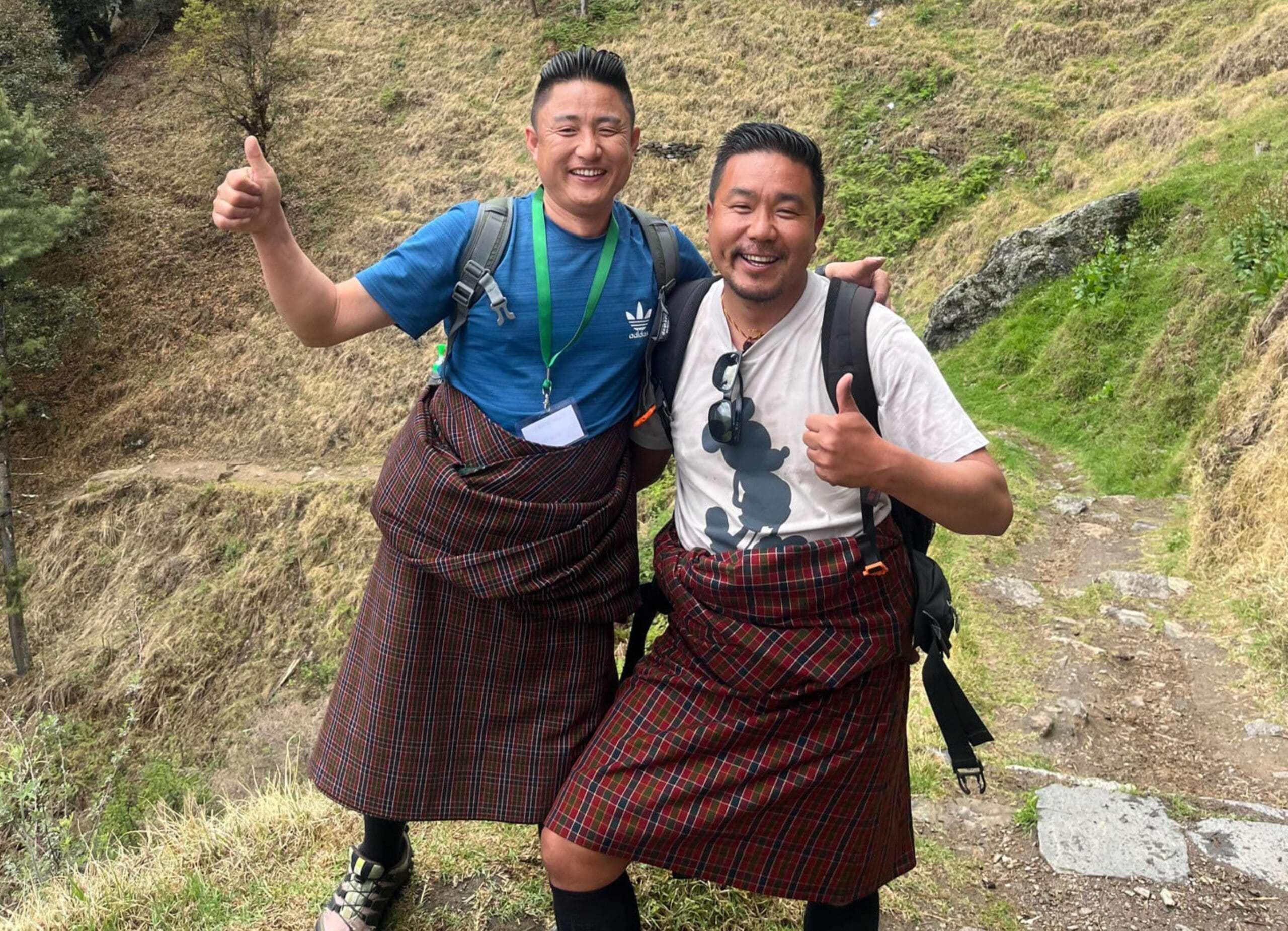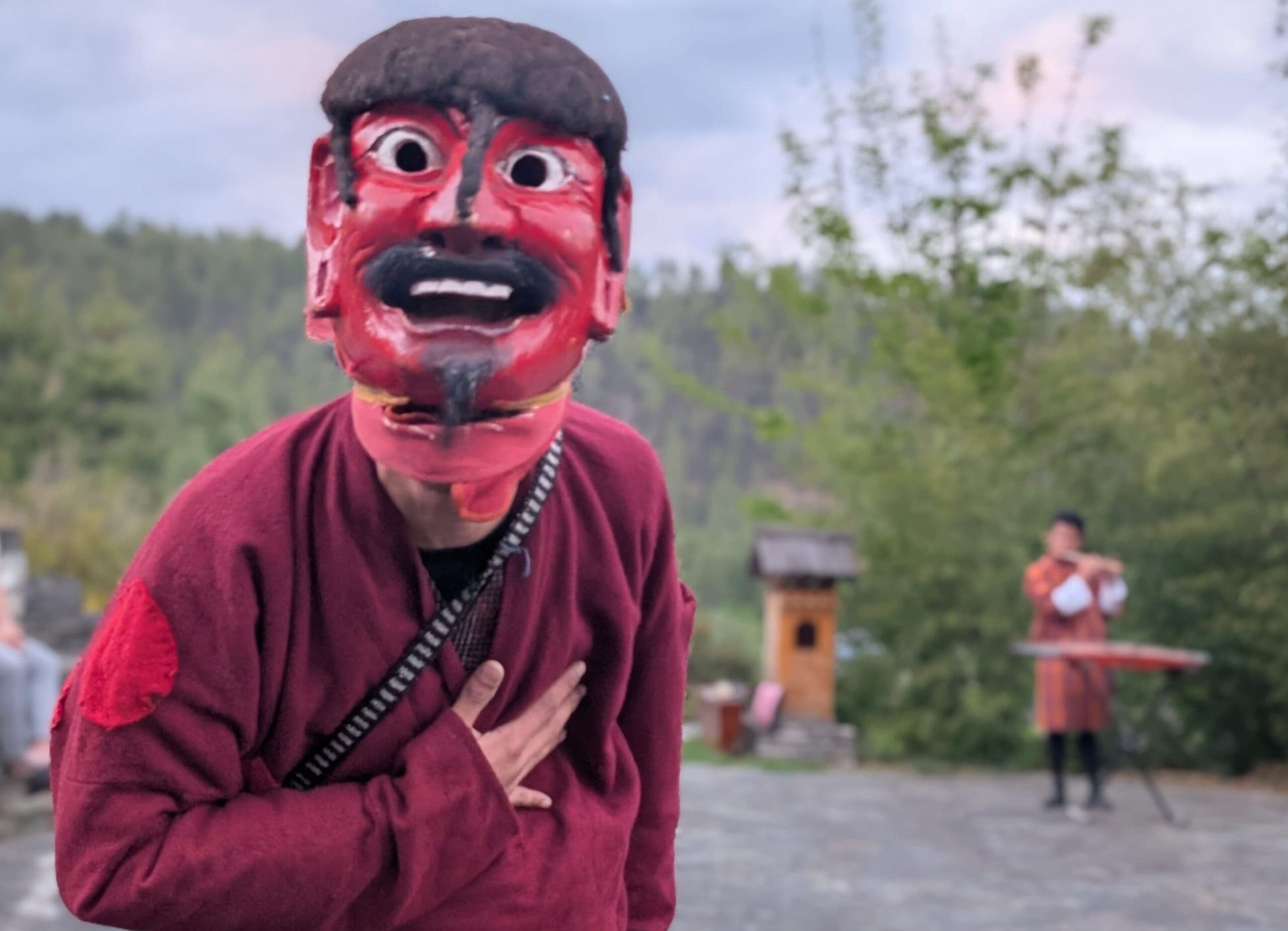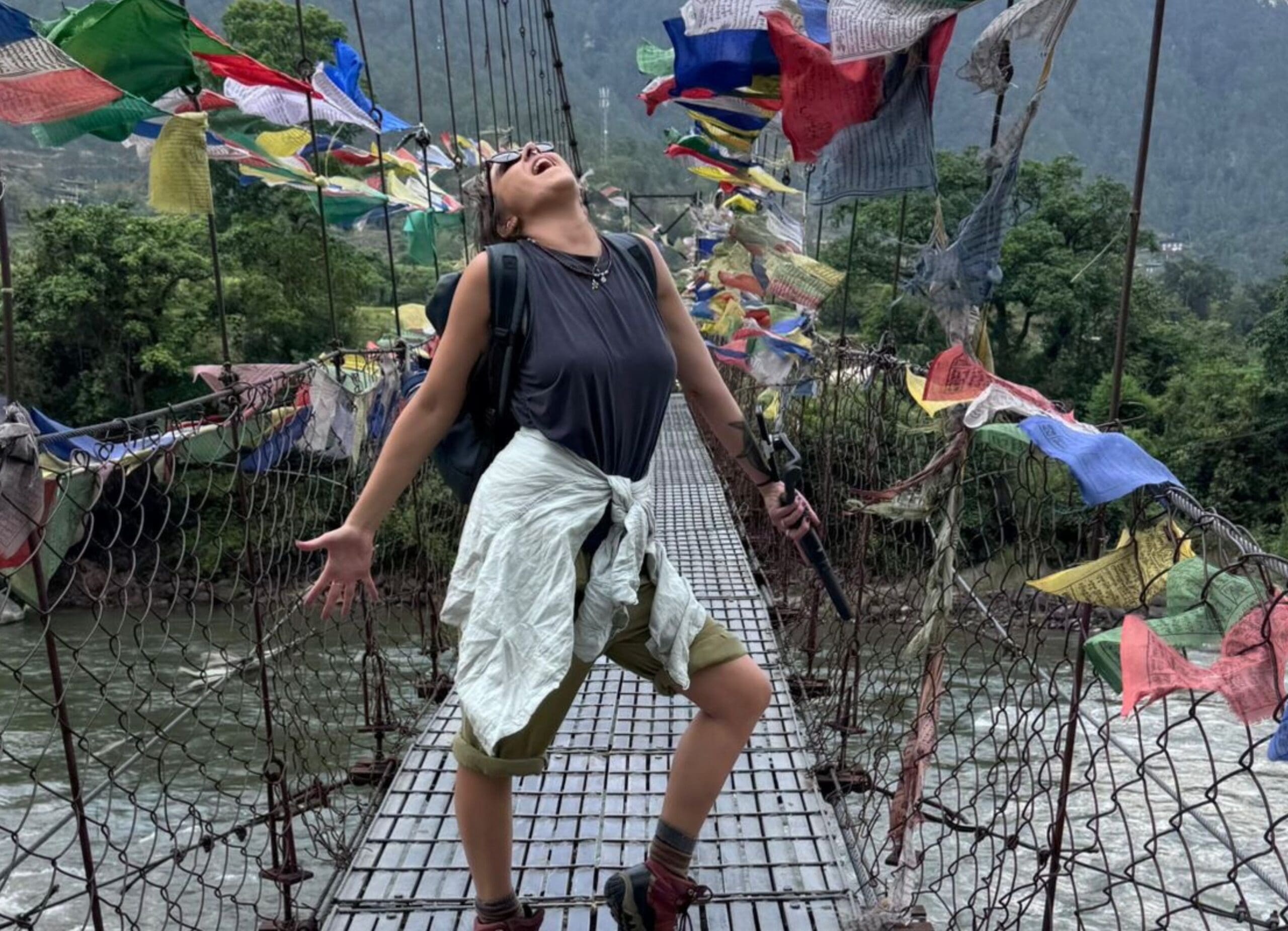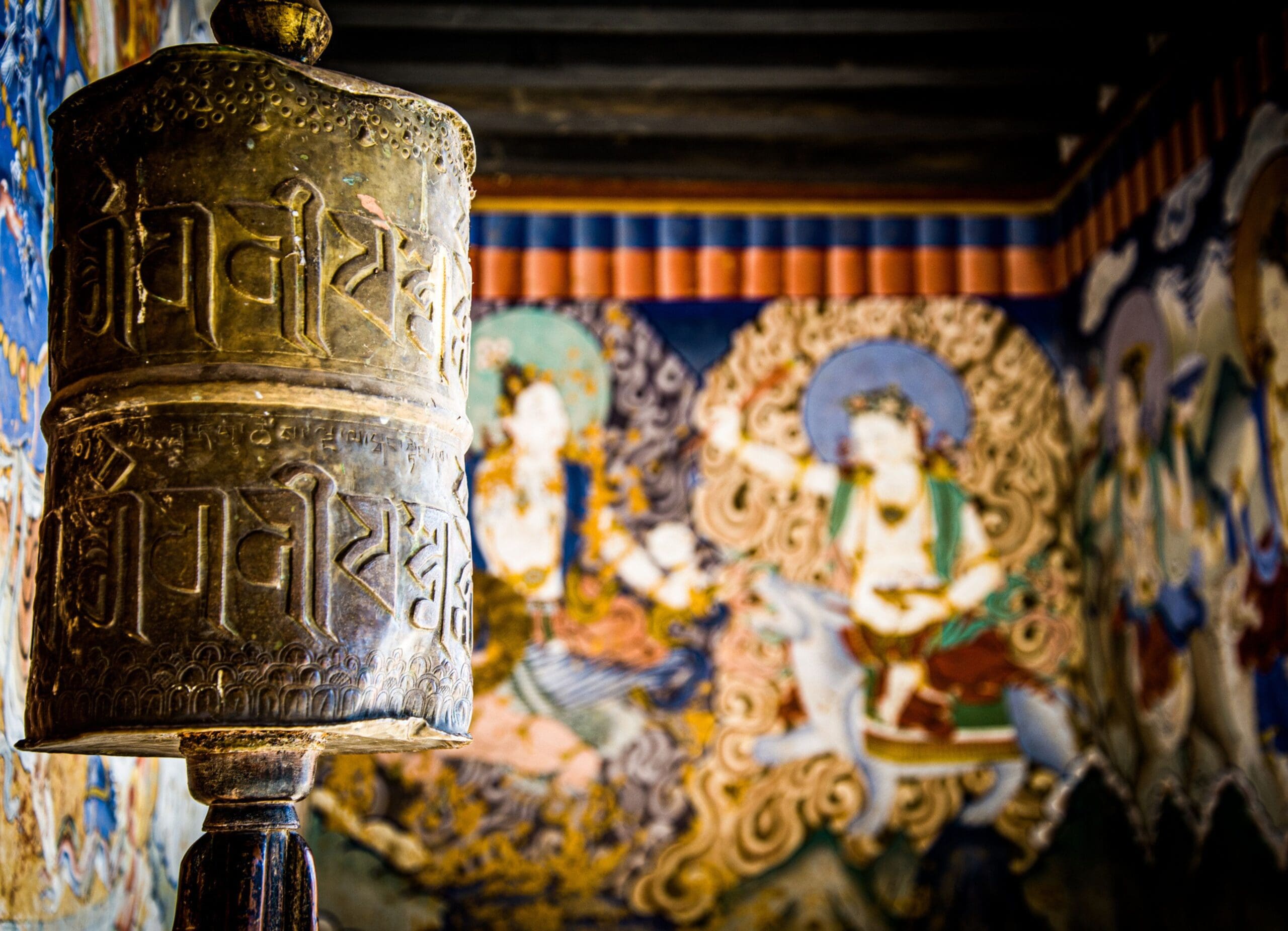
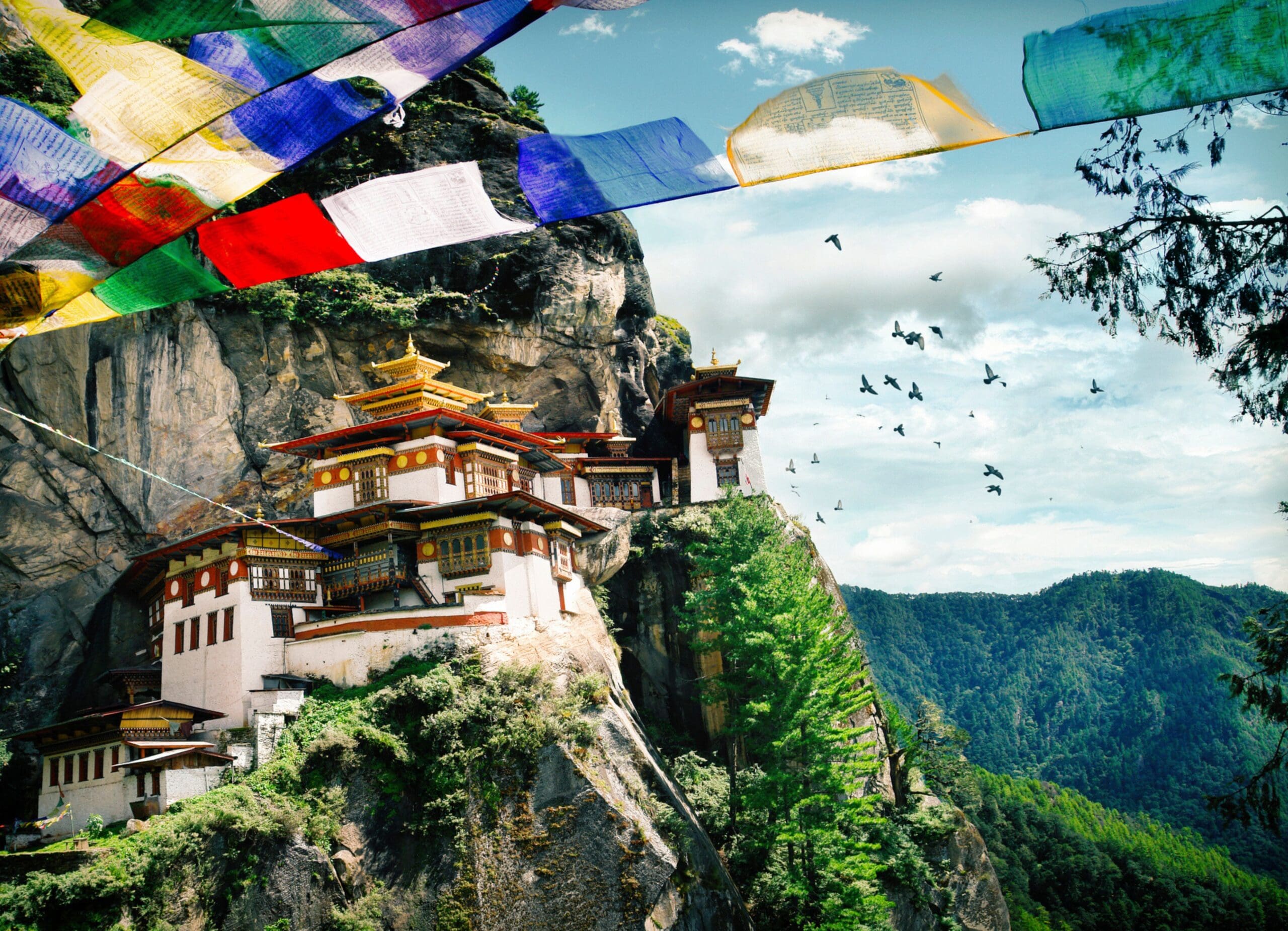
Cradled in the soaring Eastern Himalayas, Bhutan is a mystical kingdom where time slows down and nature reigns supreme. This land of prayer flags and ancient temples, of dramatic landscapes and warm-hearted people, is a sanctuary for the soul. As one of the world’s top ten biodiversity hotspots—with over 70% of its land blanketed in pristine forest—Bhutan is not only breathtakingly beautiful, but also the world’s first carbon-negative country. Here, people are not just residents—they are stewards of some of the planet’s most sacred and untouched wilderness.
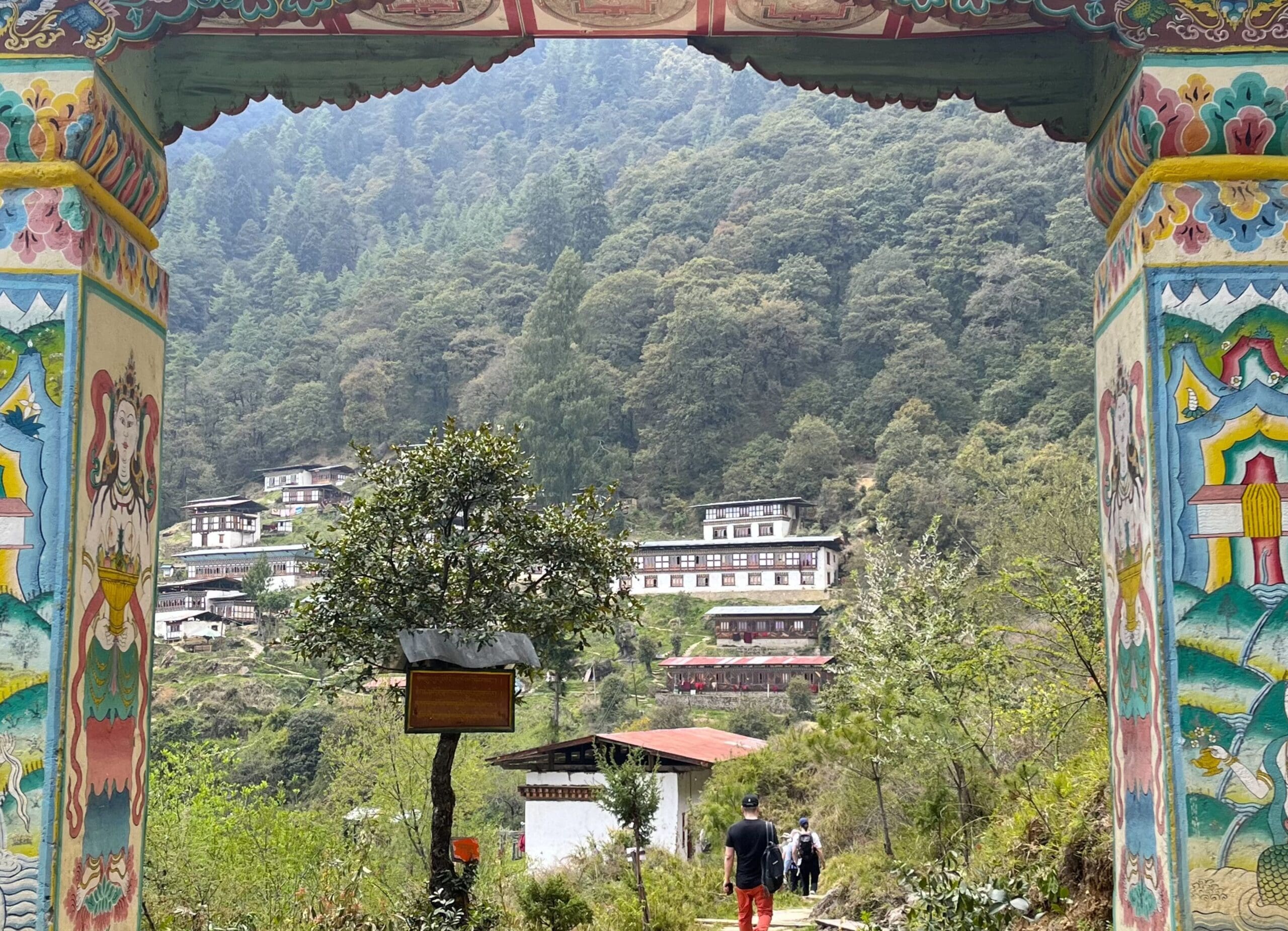
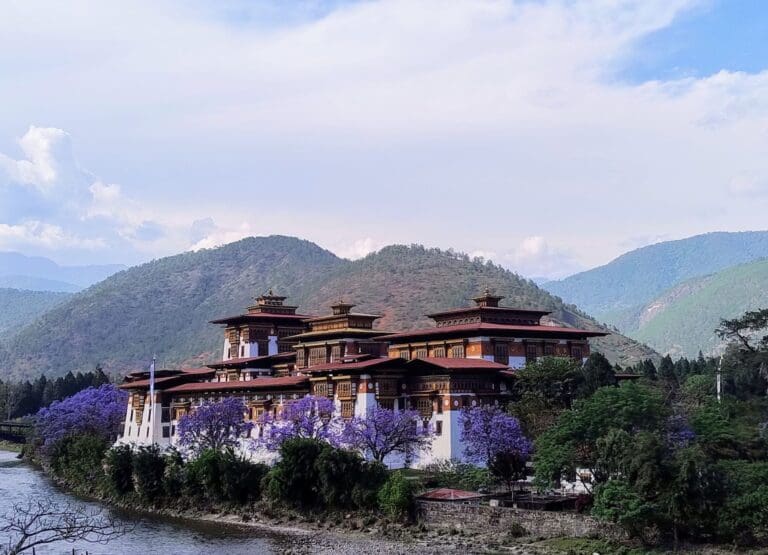
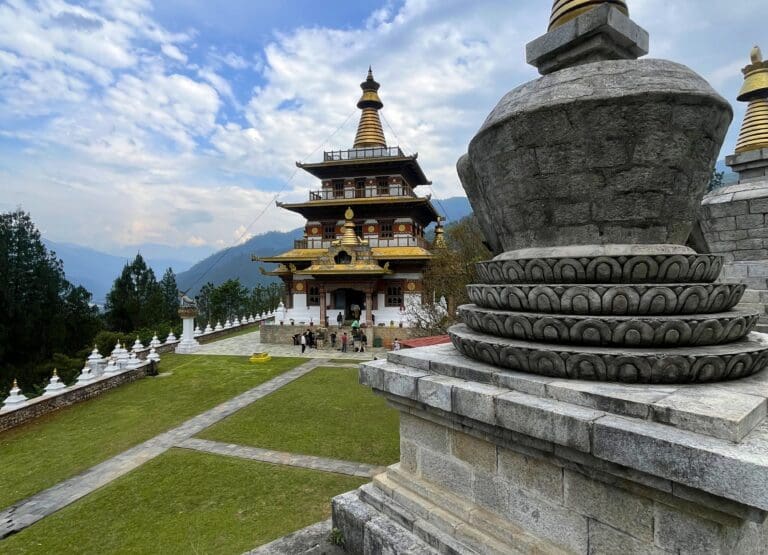
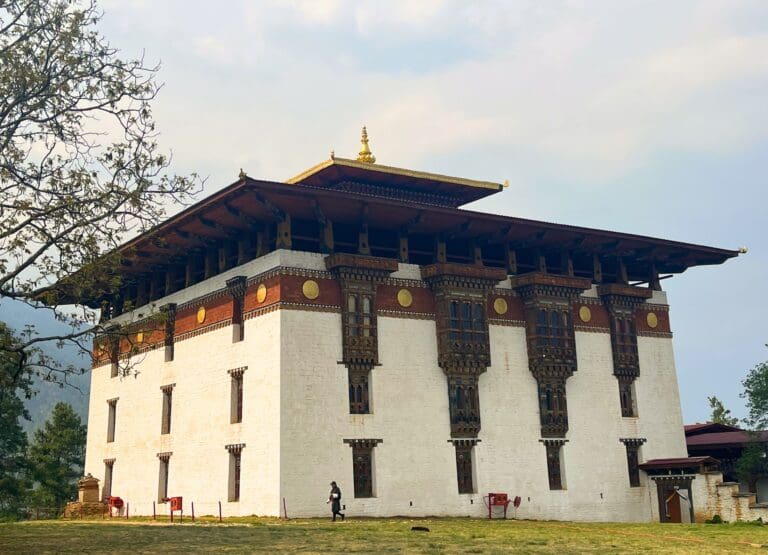
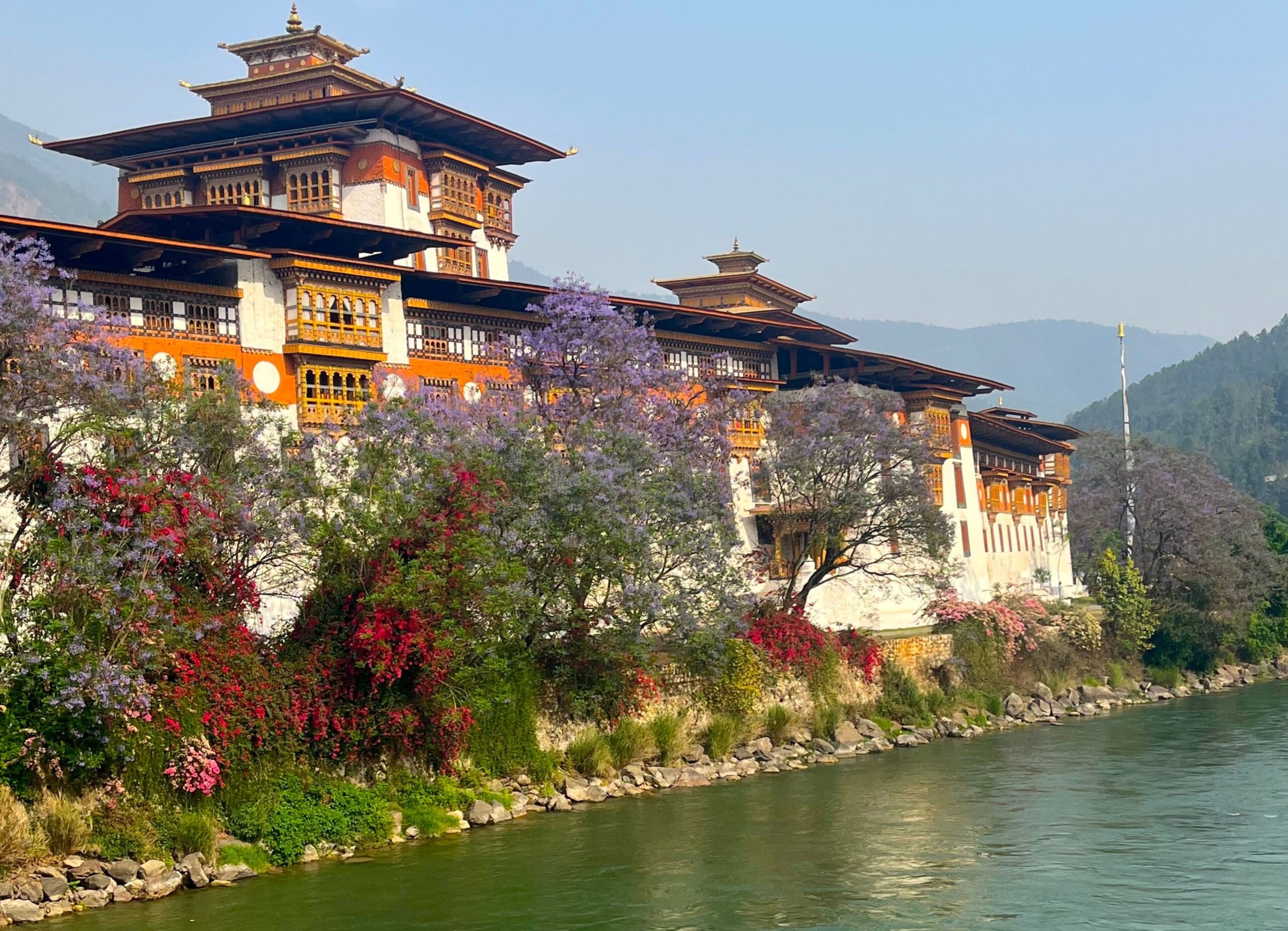
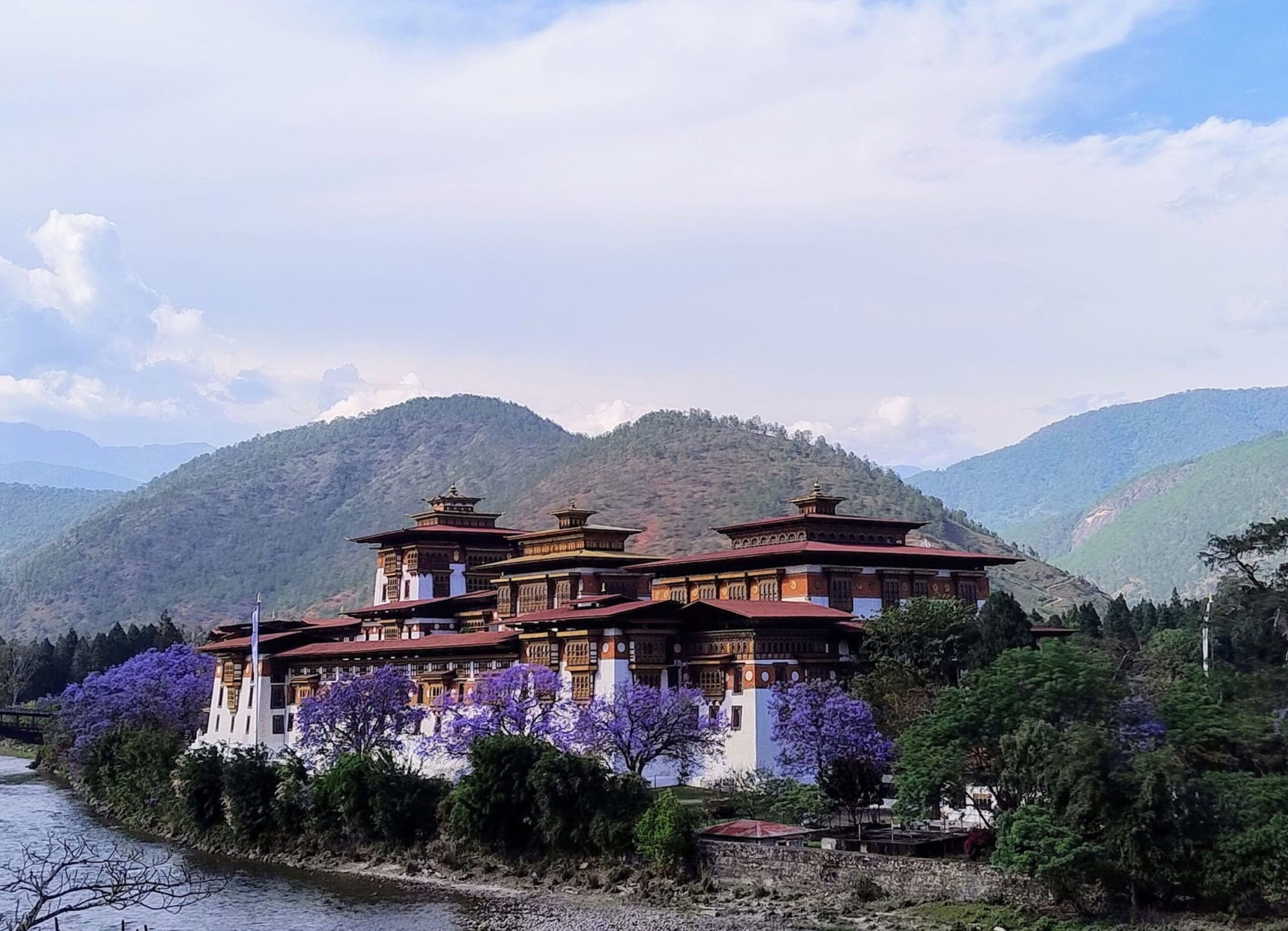
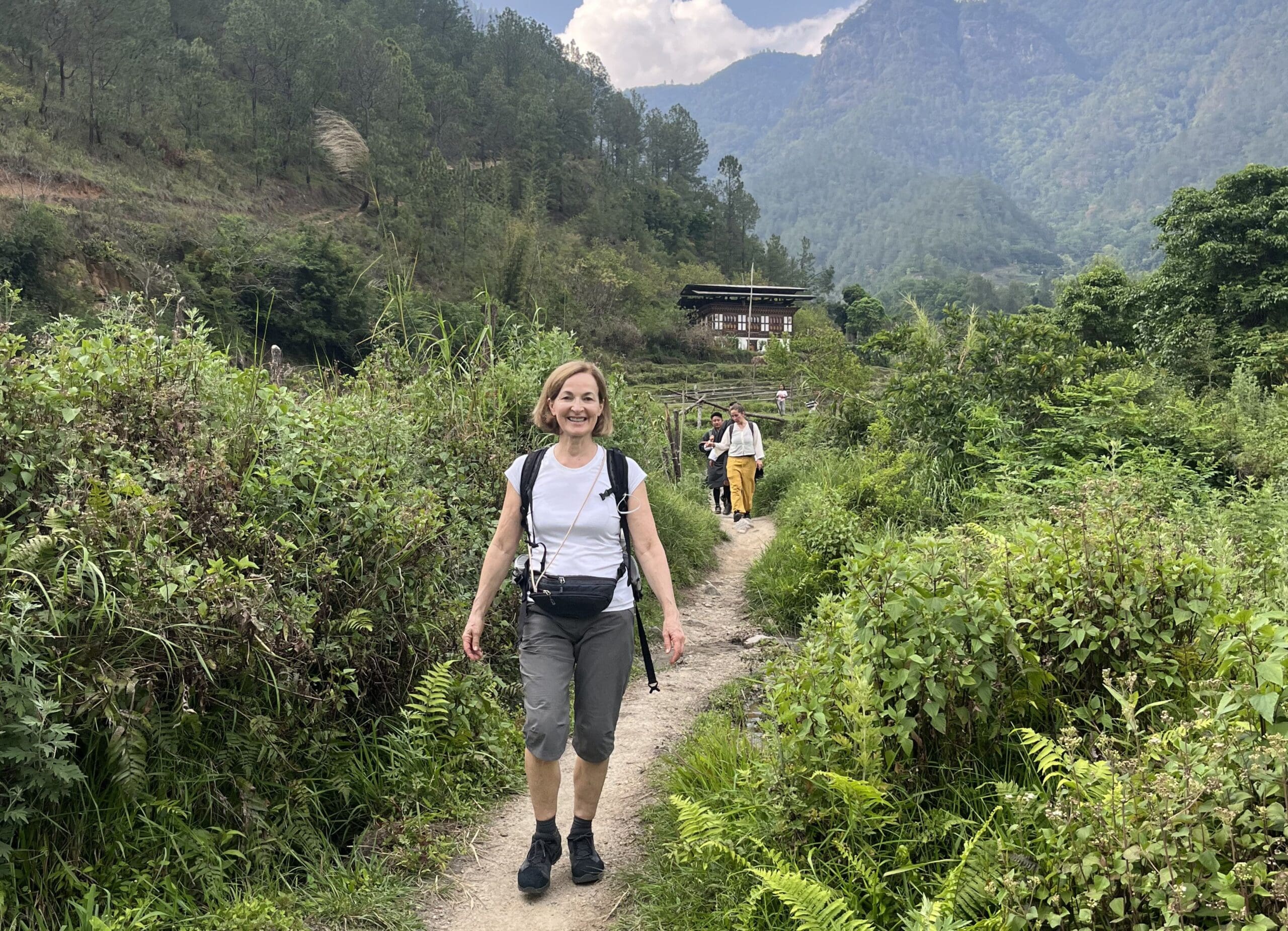
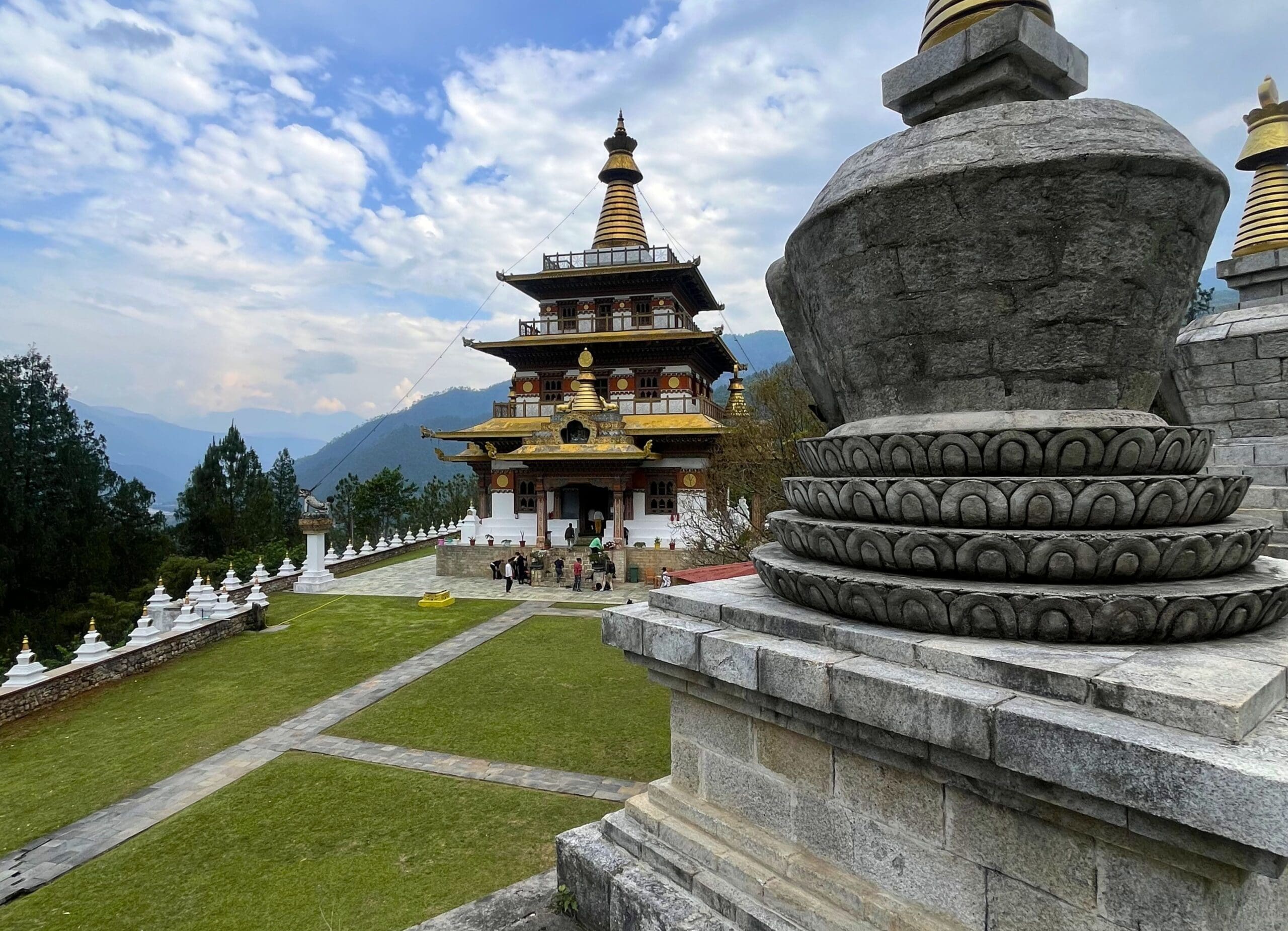
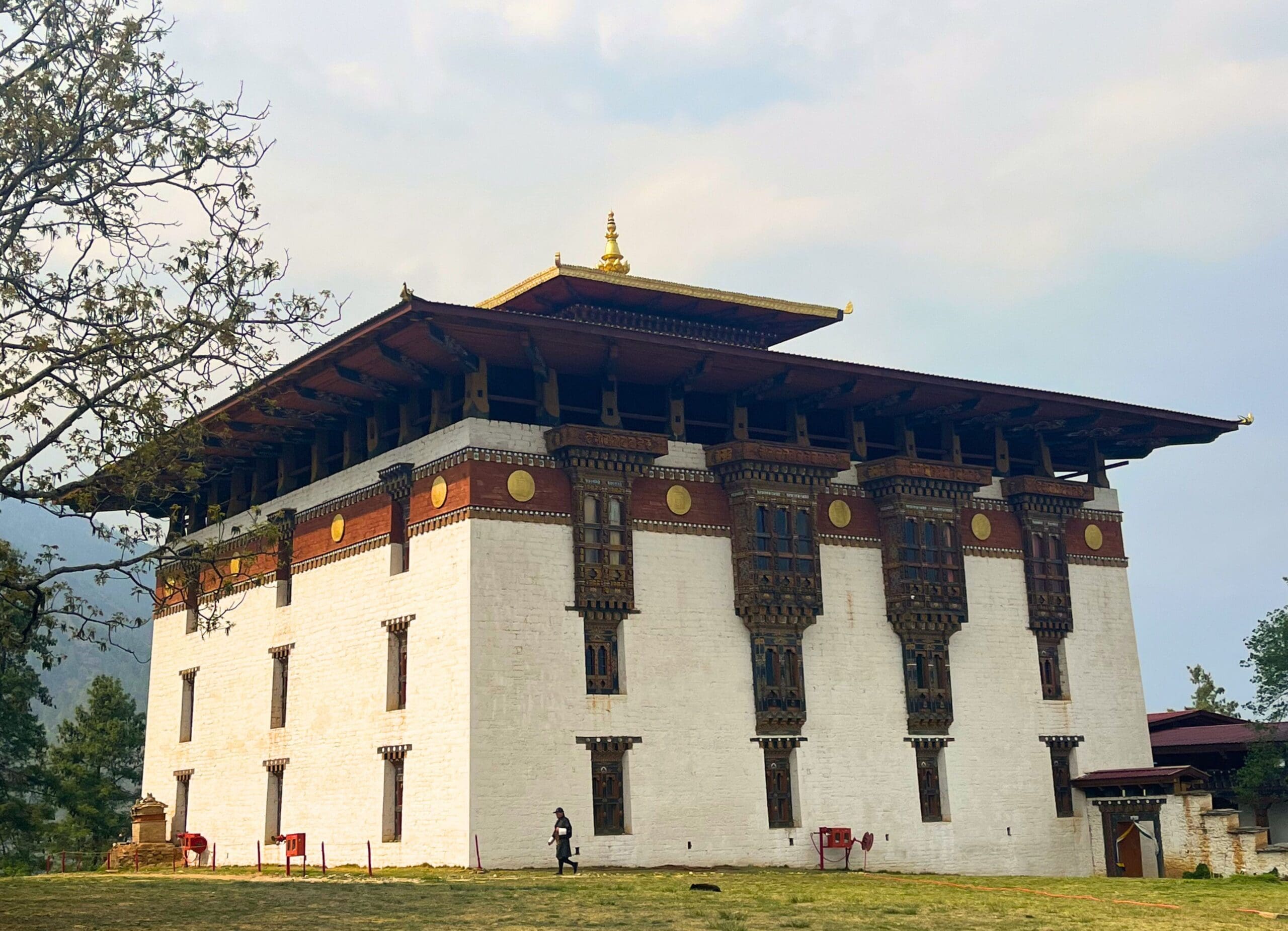
Our journey begins in the lush, emerald valley of Punakha, where we settle in for three nights surrounded by the serenity of rice paddies and riverbanks. We’ll begin our days with a yoga practice before we set out on soul-stirring hikes—one to Chimmi Lhakhang, the “Divine Madman’s” temple, a place of legends and fertility blessings, and another to Khamsum Yuelley Namgyel, a golden spire of peace that watches over the valley from its hilltop perch. Along the way, we’ll explore Punakha’s grand Dzong, an architectural marvel where Bhutan’s spiritual and historical tapestry comes to life.
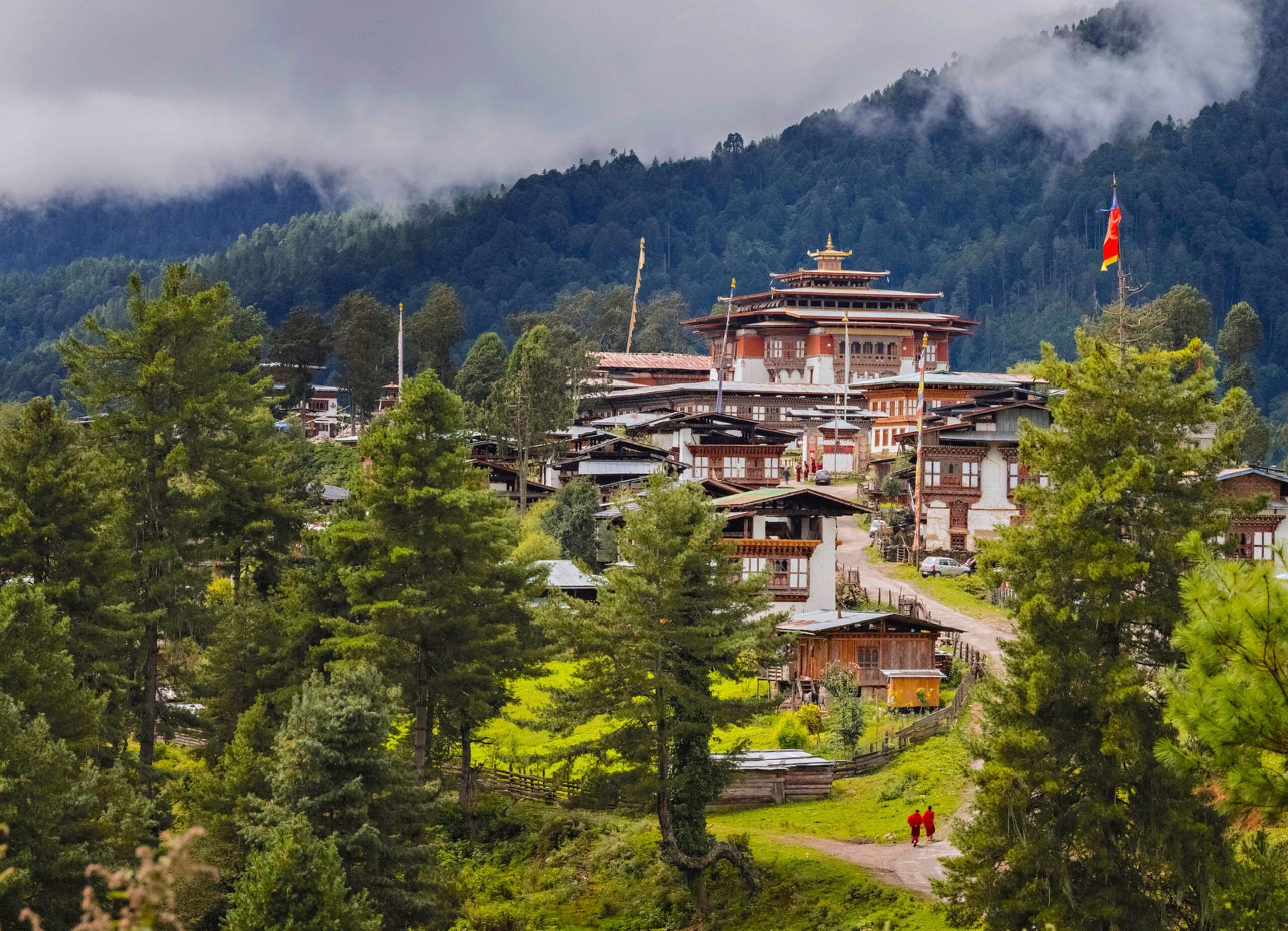
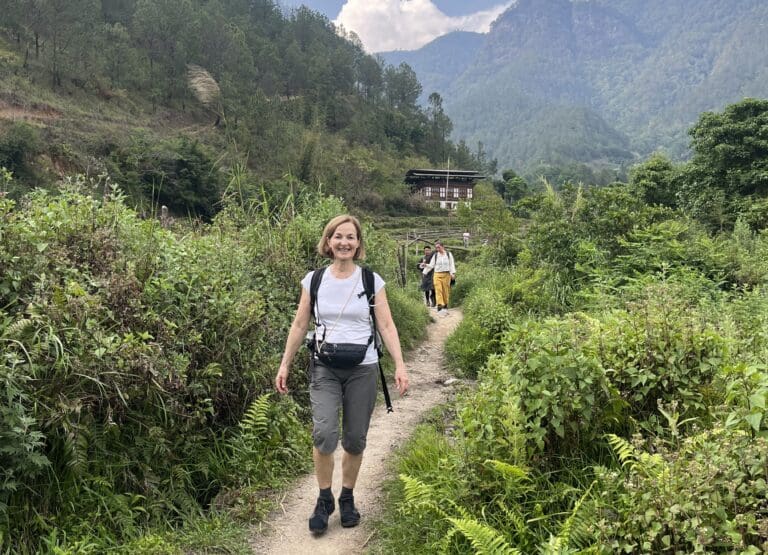
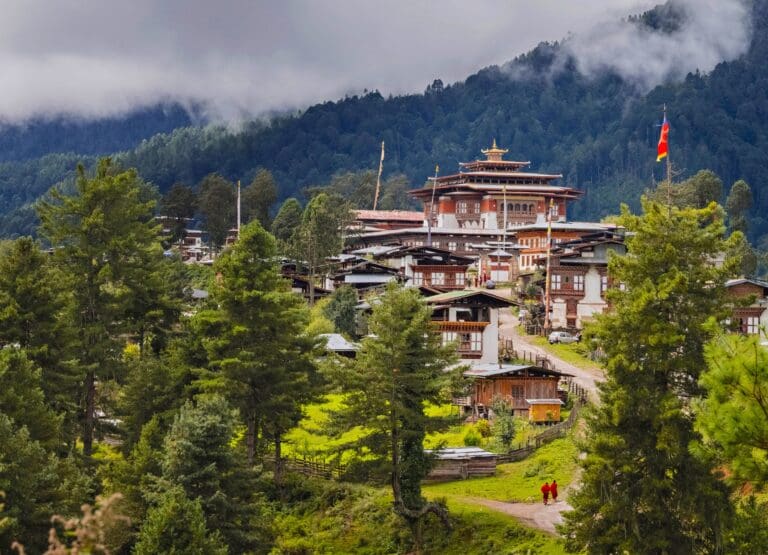
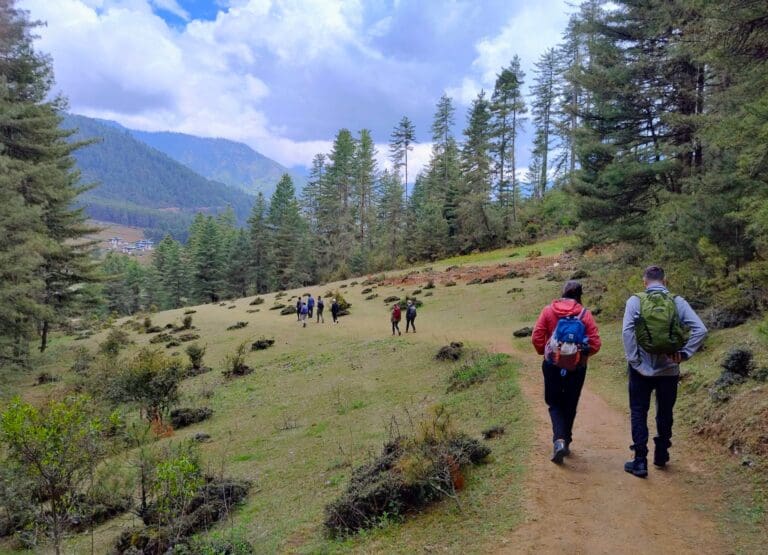
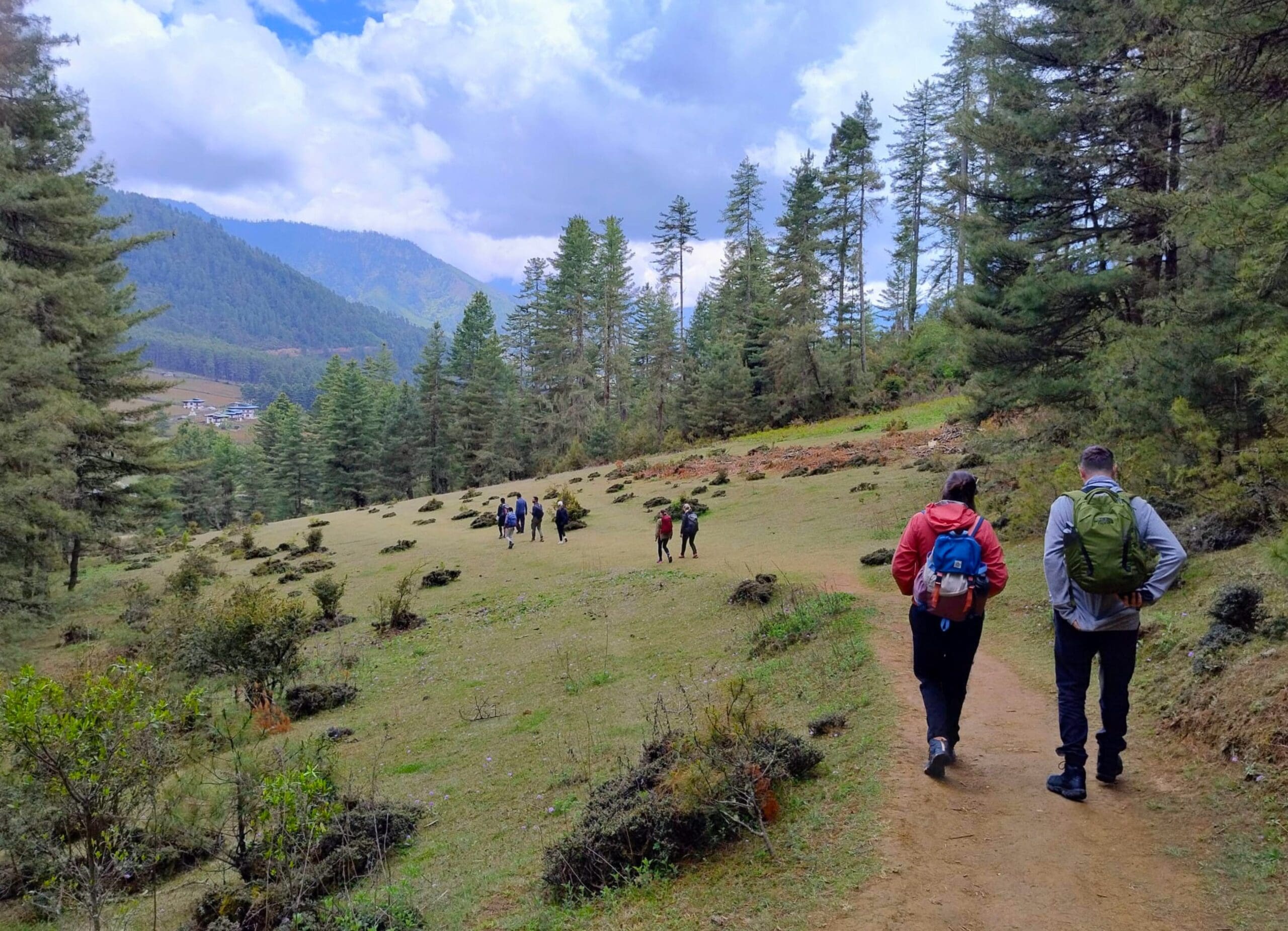
From here, we venture deeper into the mountains to the tranquil Phobjikha Valley, a remote sanctuary where time seems to stand still. For three nights, we’ll immerse ourselves in quietude—practicing meditation and mindfulness, unwinding with massages, and soaking in the untouched beauty of this sacred land. We’ll visit the awe-inspiring Gangtey Monastery, founded in the 1600s, and walk the valley’s serene nature trail, a gentle hike through forests and meadows.
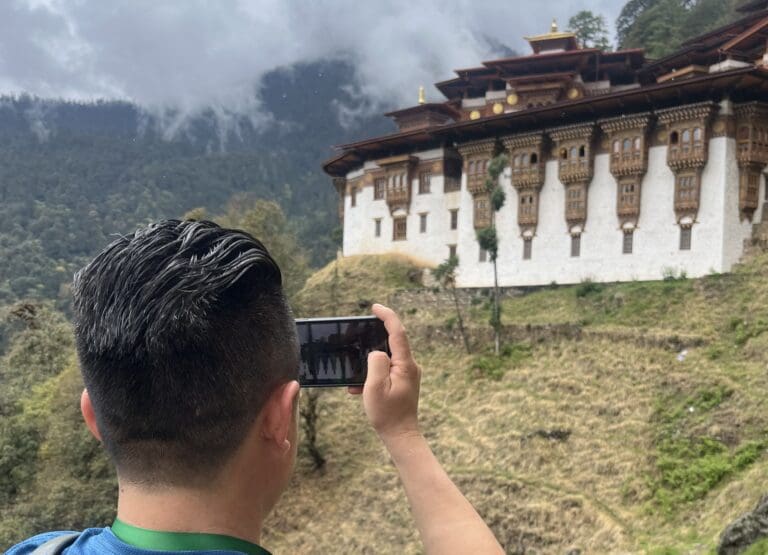
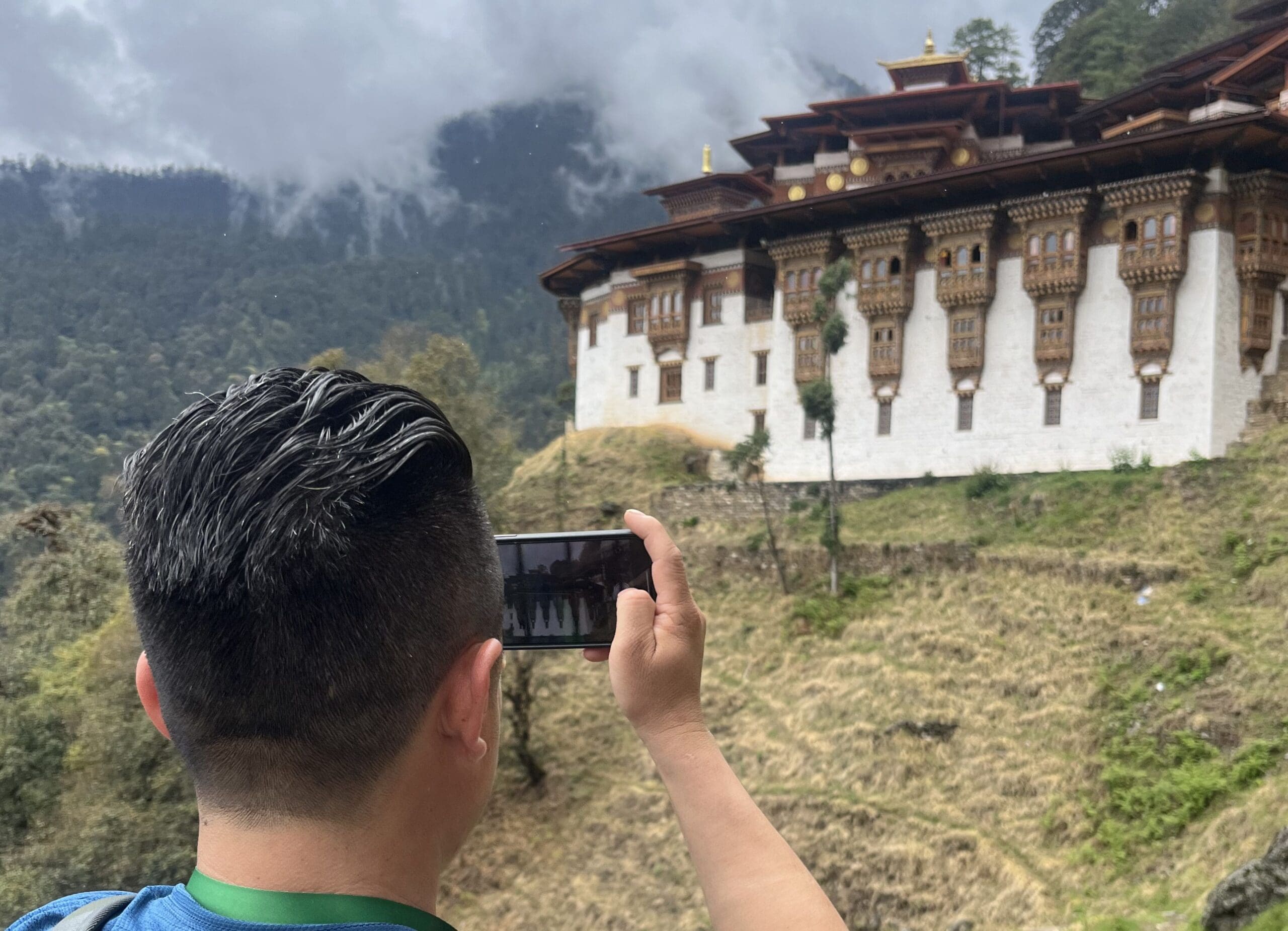
Our next destination is Thimphu, Bhutan’s charming capital. Nestled among pine-cloaked hills, it blends ancient tradition with modern life. We’ll stay here for two nights, with time for yoga, city exploration, and hikes into the surrounding countryside. Trails take us to the panoramic viewpoint of Sangaygang, a gentle two-hour walk, and to the secluded Dodeydra Monastery—a more demanding five-hour trek through forested hills to a serene retreat where monks live in quiet devotion. The journey is challenging, but the reward is profound stillness and sweeping views few ever get to experience.
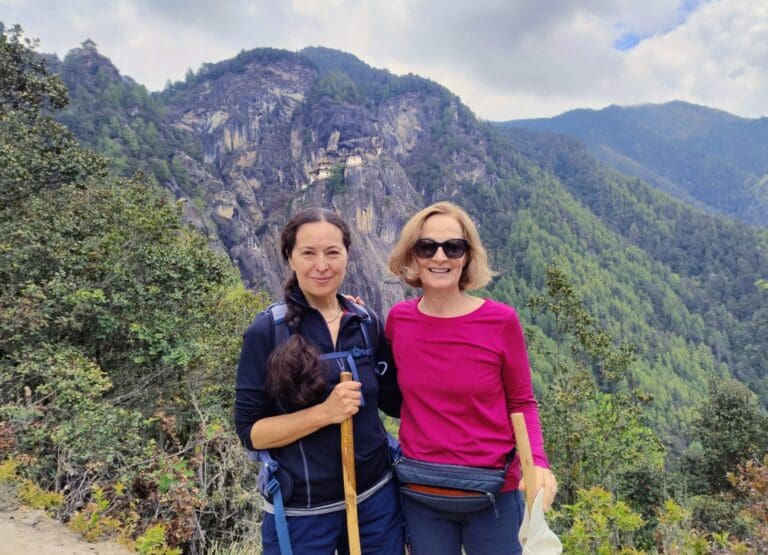
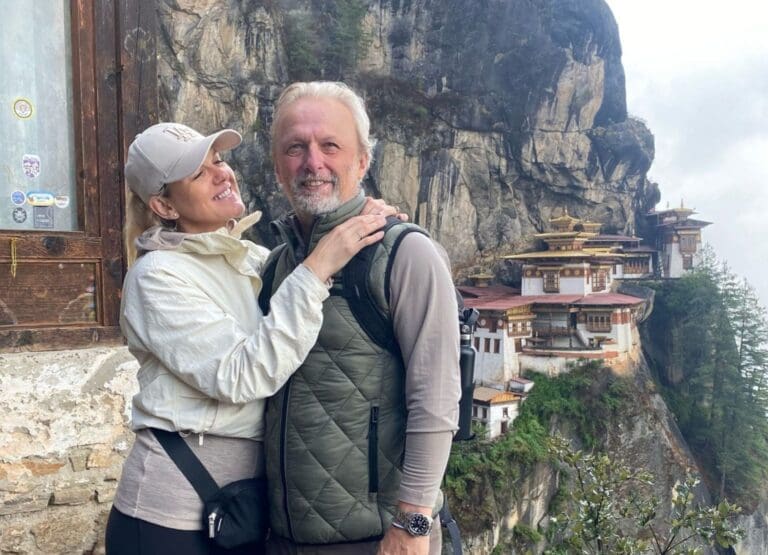
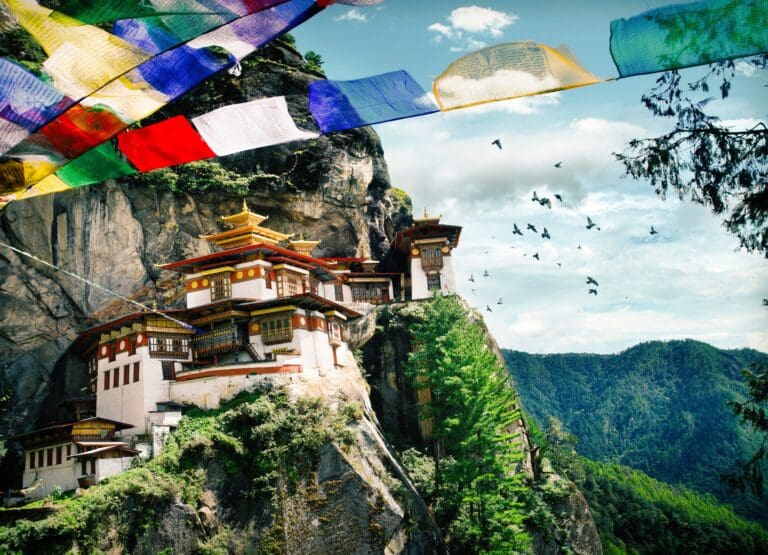
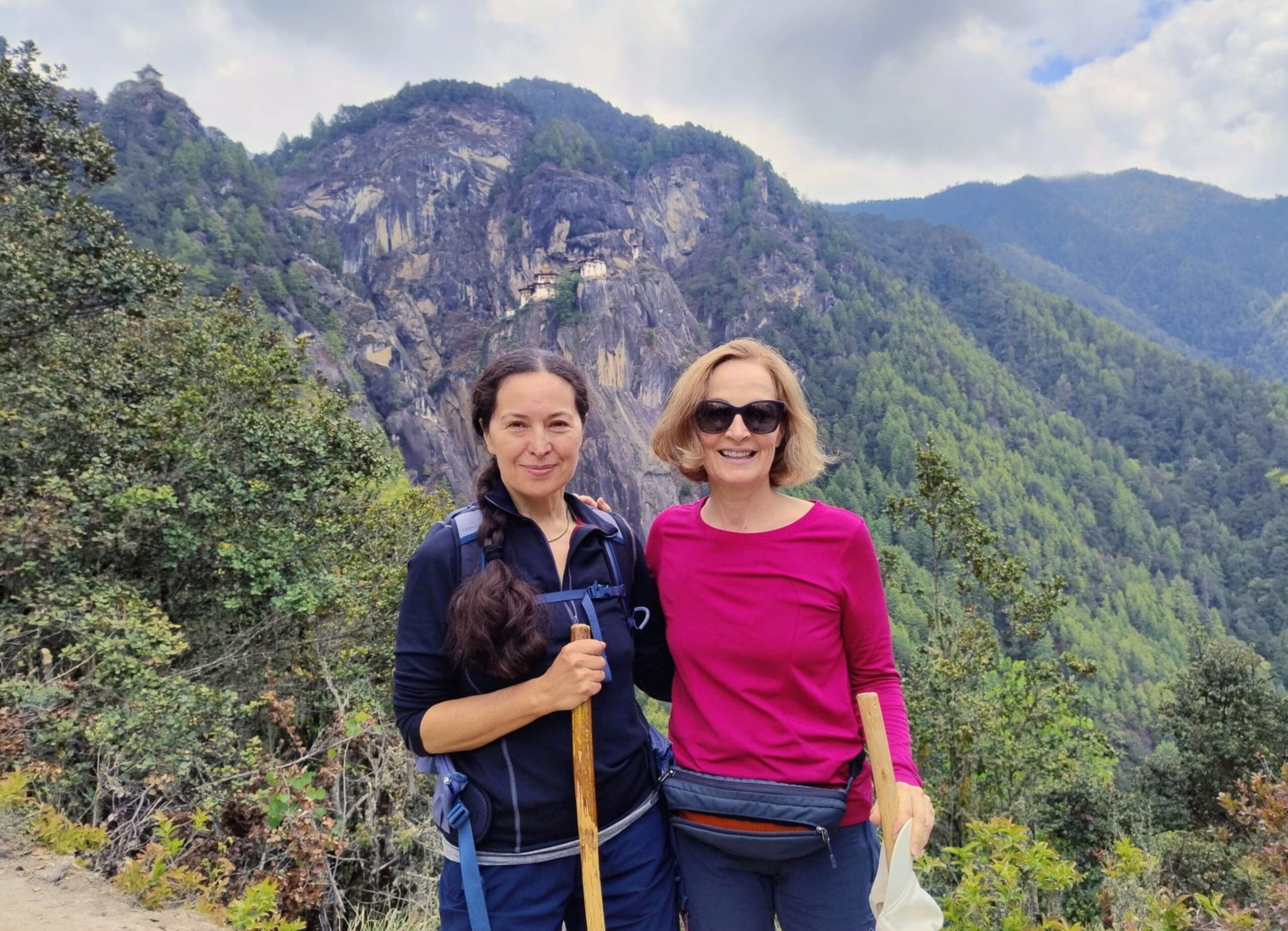
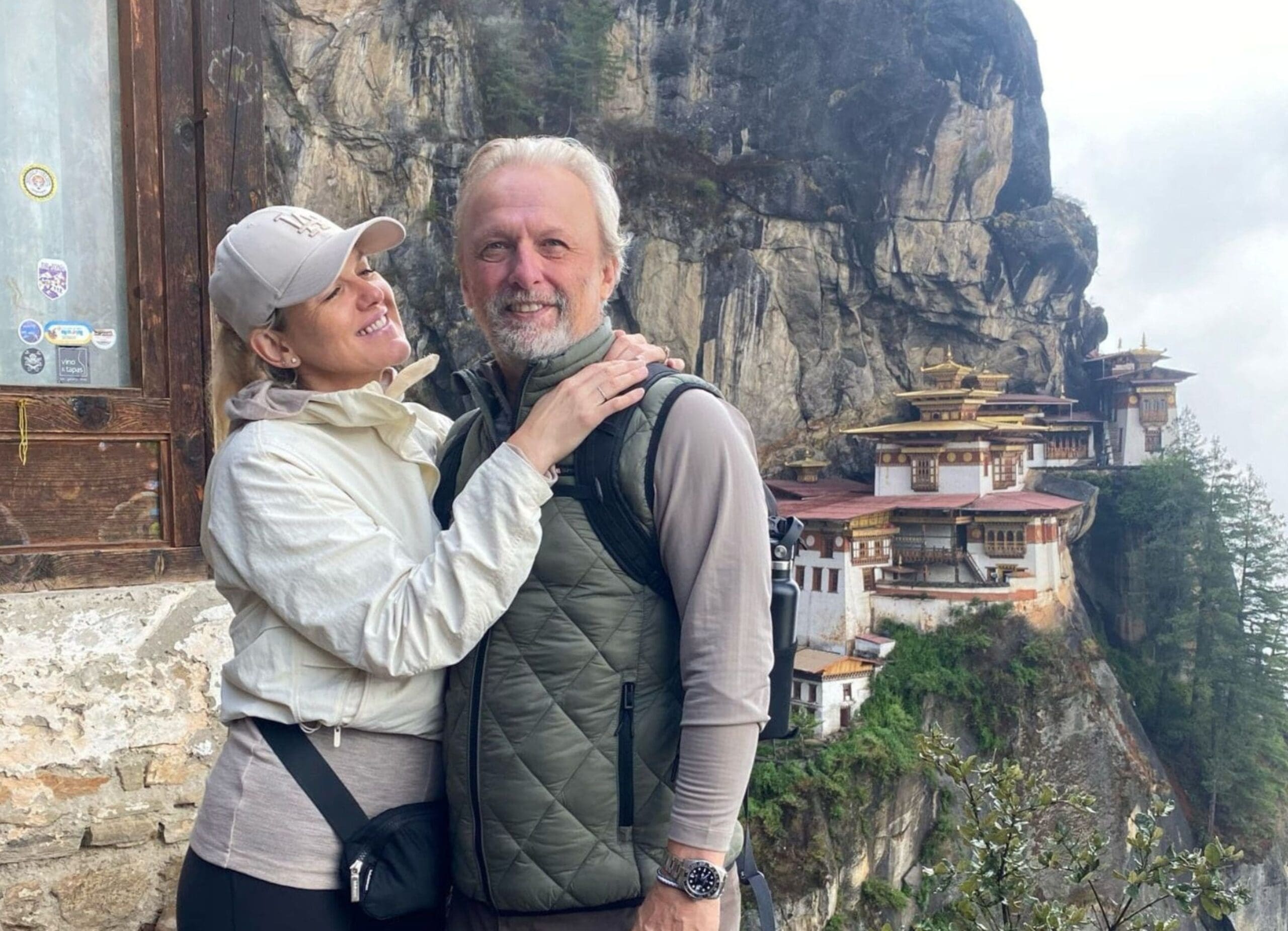
We end our journey in Paro, embraced by forested mountains and the hush of ancient stories. Our final two nights are spent in a beautiful nature resort, a place to unwind and reflect. But before we rest, one final pilgrimage awaits: a legendary ascent to Tiger’s Nest Monastery (Taktsang). Perched on a sheer cliffside 900 metres above the valley floor, this sacred site is said to be where Guru Rinpoche, the 8th-century mystic who brought Buddhism to Bhutan, landed on the back of a flying tigress to tame evil spirits. The four-hour hike is both a physical challenge and a spiritual odyssey—rewarding us with awe, perspective, and an unforgettable farewell to this extraordinary land.
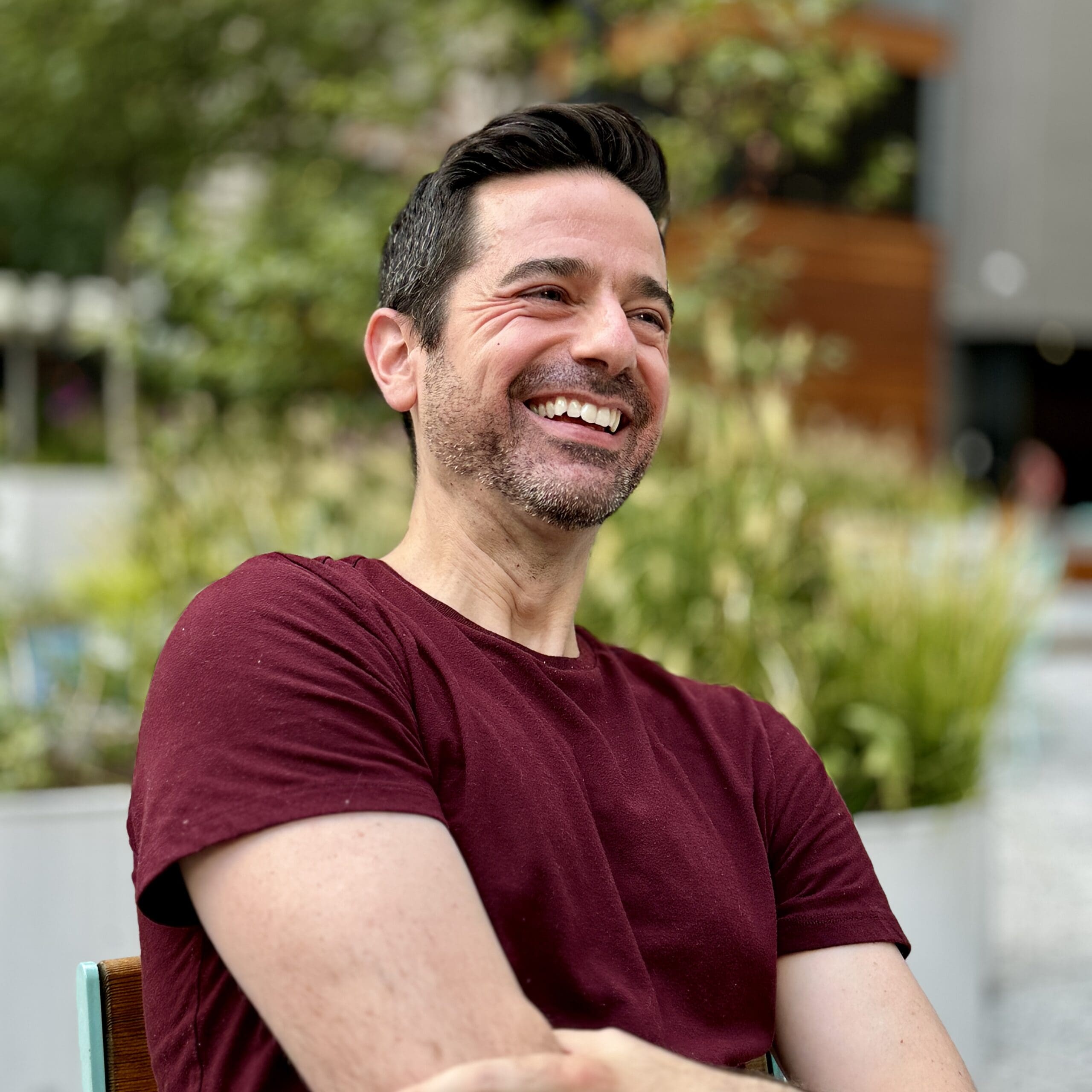
Who's Teaching: Matthew Shaw

Matthew is a seasoned Vinyasa Yoga teacher known for his grounded, strength-based approach and dynamic, intelligently sequenced classes. He’s dedicated to empowering you with the ability to improve your fitness and to find mental resilience both on and off the mat.
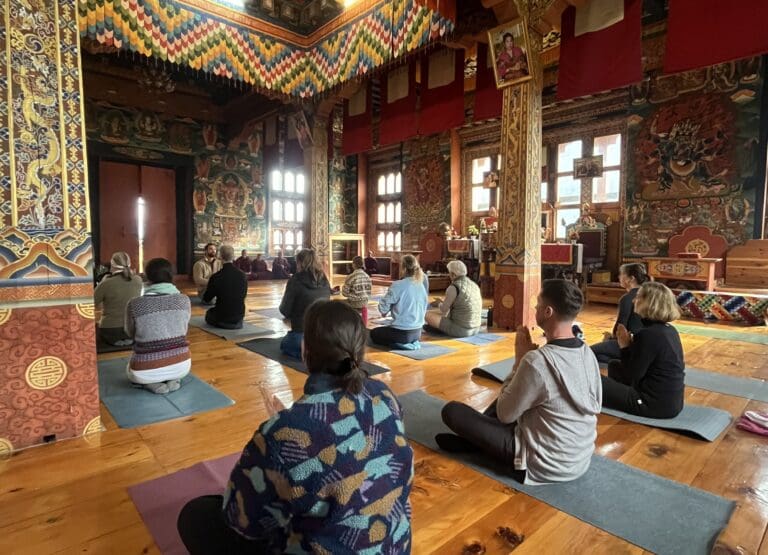
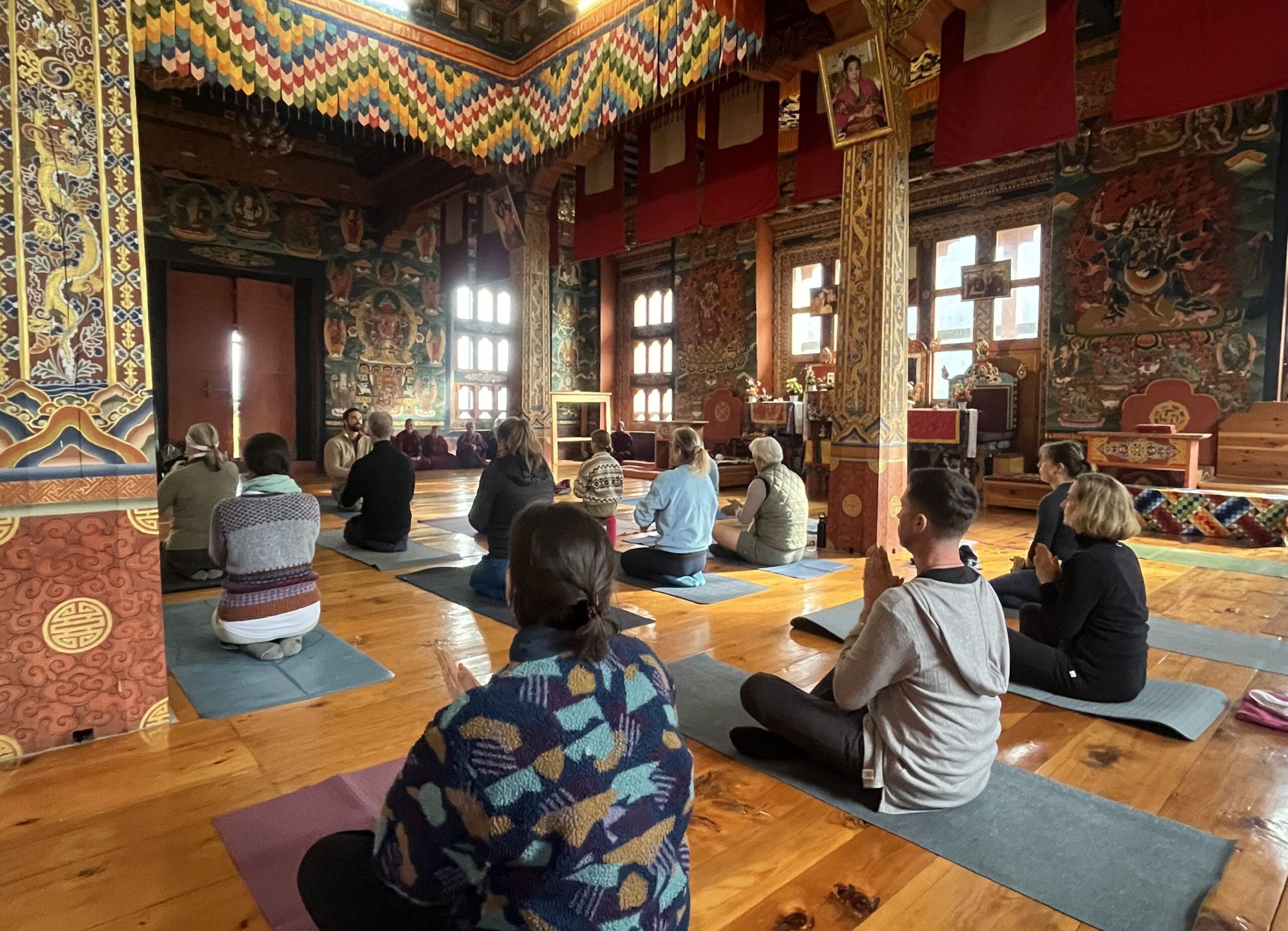
On most days, you’ll begin with a dynamic morning practice—invigorating and rooted in functional strength, breath work, and focused awareness. Evening sessions will slow things down with gentle flow, postures to unwind from the day’s activities, meditation, and yoga nidra to ease the body and settle the nervous system. These daily offerings are designed to help you feel vibrant and grounded throughout the retreat.
All levels are welcome, with options to “level-up” or “level-down” throughout. That said, to get the most out of the retreat, some prior experience with vinyasa yoga is recommended.
Depending on our travel schedule, there may be some days when we will have just one practice. Classes will take place in conference rooms and class rooms in most of our hotel places, with the exception of Phobjikha where we will be practicing mindfulness in nature.
For more about Matthew, and to try a free class (or to join one of his Livestreams), CLICK HERE.
We’ll be travelling around Bhutan and staying in four locations during this trip. All your accommodation is categorised as comfort level.*
Our first location is in Punakha – you’ll stay in a spa hotel located on a mountain high above the valley, offering breathtaking scenic views of the Punakha valley and the dzong. Rooms are ensuite and there is also an onsite spa here.
Our second hotel in Phobjikha is surrounded by pine forests in the hidden valley of Gantey Gompa. The location has fantastic views across the valley. The simple, charming rooms are built in the traditional Bhutanese architectural style each with a good bathroom with shower. The rooms have a wood-burning stove (bukhari) for heating and there is a spa here too.
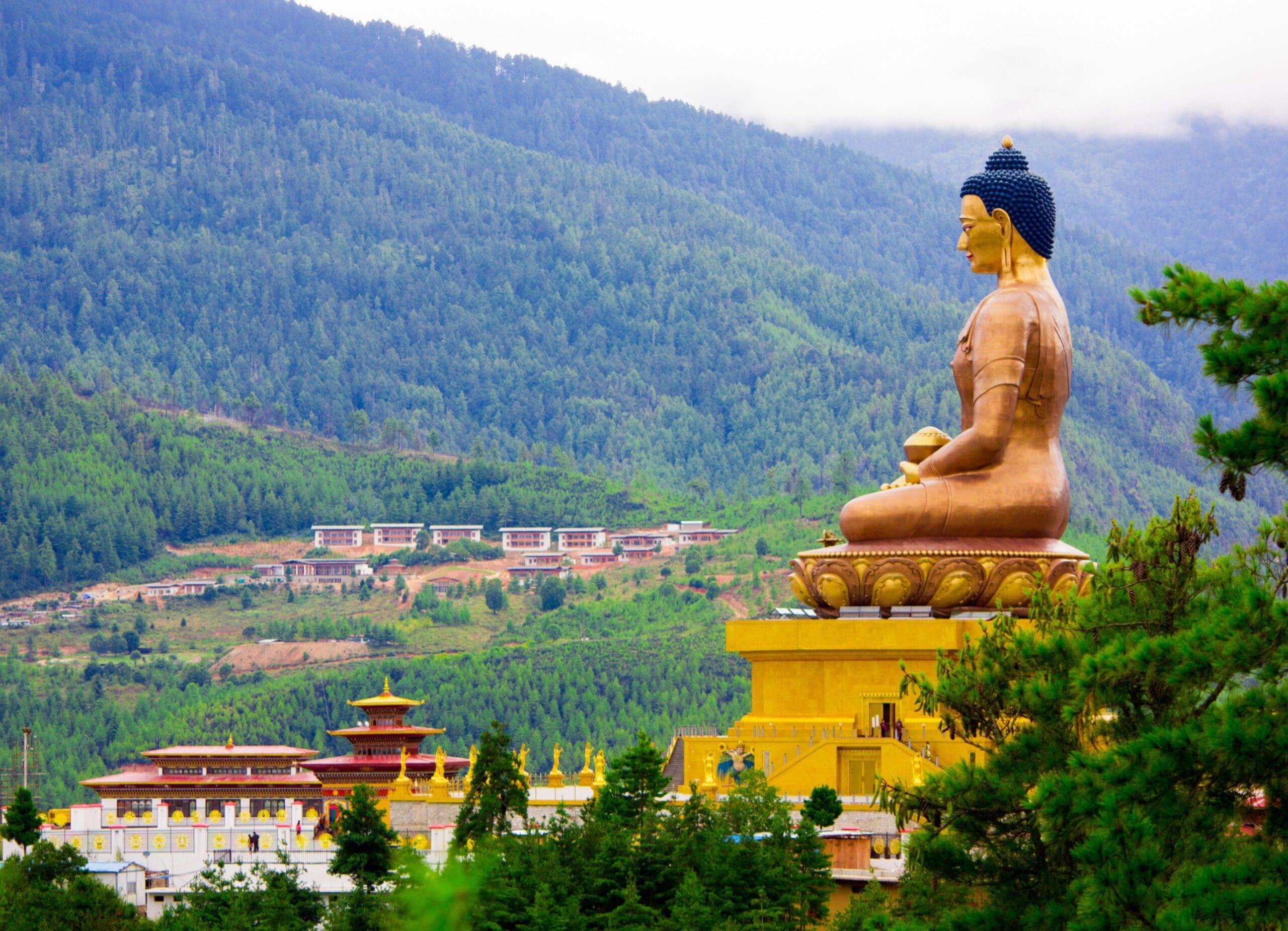
Our third location is in Thimphu. The hotel is set on the valley slopes and has views of the Tashicho Dzong, the seated Buddha and the surrounding mountains. Bedrooms feature ensuite bathrooms and comfortable beds.
Our final location in Paro is a lovely spa hotel and retreat nestled on the edge of the national forest and the quiet Ngoba village. The rooms are traditionally designed with modern amenities.
*Read about our accommodation categories
We will be eating in hotels and restaurants on this retreat. The food in Bhutan is mostly simple buffet style meals and in some of our locations the variety of options is relatively limited. You’ll often be served rice, noodles, pasta, vegetables, eggs and chicken for lunch and dinner.
Your retreat menu will include some meat, but we can cater for vegetarians on request. We can accommodate some (but not all) special dietary needs so please do check with us in advance. It won’t be possible to cater for vegan and celiac menus on this retreat.
This is an alcohol free retreat.
This retreat is for our Bold Travellers*.
You’ll need to be resilient and robust as we are exploring a lot of this beautiful country and staying in four different locations, so you’ll be packing and unpacking every few days. Bhutan is remote and mountainous and there is a fair bit of travel involved. We will travel in two comfortable 12 seater vehicles, on mountain roads which can sometimes be quite windy.
You’ll also need to have a very good level of fitness so that you can enjoy the hiking. We will hike between 2-5 hours on a number of days, mostly up and down mountains and sometimes at an altitude of over 2000 metres. We are visiting some spectacularly remote monasteries, so you need to be sure you are fit enough to enjoy the hiking. If you have respiratory problems or injuries, you will not be able to manage the longer hikes, including Tiger’s Nest.
The food in Bhutan is simple and mostly severed buffet style, so if you are real foodie looking for gourmet meals or you have special dietary requirements, this may not be the retreat for you.
*Read about our traveller categories.
Return flights from Delhi to Paro in Bhutan are included in your retreat. Bhutan visas are also included in your retreat.
International flights to Delhi: You will need to book your own return flights to Delhi, arriving on 24 April in order to take your onward flight to Paro on 25 April. We return to Delhi on 5 May, so you can take a flight home anytime on 6 May.
It is best to have a day in India either side if your retreat in case bad weather impacts the Bhutan flights. We can recommend a hotel in Delhi if needed, or organise and “add-on” package of hotel stays and transfers.
You will also need to organise your own India visa. We will advise you on this after you have booked.
*As our Bhutan flights and visas are organised by our Bhutan hosts as part of this trip, we are only able to accept travel from Delhi on our stated retreat dates. Thank you for understanding.
Responsible retreating in Bhutan
We are committed to operating in an environmentally and socially responsible way which includes being transparent about the current eco-credentials for each retreat. The carbon emissions for travelling to Bhutan are high, so this retreat uses up a big portion of our carbon budget each year. We work with a small family owned business in Bhutan and our carbon footprint once we arrive is low. All accommodations run on renewable energy and tourism and is carefully managed to minimise its impact on the environment. We’ll share more insights about this retreat soon…
Our Bhutan location/s assessment is below:
| 1 | Your property is locally owned and operated | Yes |
| Or your property is operated in partnership with a local owner | ||
| 2 | You employ local staff with good pay and working conditions in compliance with all local laws and regulations | Yes |
| 3 | Staff are offered employee benefits and professional development opportunities | Yes |
| 4 | You partner with and support local suppliers for excursions, activities, and products | Yes |
| 5 | Your chosen excursion suppliers operate with clear guidelines to minimise their negative environmental impact, and animal welfare is a priority on any trips involving wildlife | Yes |
| 6 | You give preference to suppliers with ownership from diverse or underrepresented populations | Yes |
| 7 | Your property runs on renewable energy | Yes |
| 8 | Your property uses a sustainable water supply | Yes |
| 9 | There is a comprehensive waste management system | Yes |
| 10 | There is limited use of single use plastic | Yes |
| 11 | Sustainable, local food sources are available | Yes |
| 12 | Biodegradable products are used | Some |
| 13 | You measure your property’s environmental impact and operate in compliance with all local laws and regulations | Some |
| 14 | You are actively involved in conservation | Yes |
| 15 | The location is not over touristed/we are visiting out of high season | Yes |
| 16 | There are slow travel/public transport options available to reach you location | No |
| 17 | You have your own sustainability strategy/targets for your property | Yes |
| 18 | Your property has its own certifications such as ISO 14001, Green Key, Green Building Certifications, BCorp certification or other demonstrable policies* | Some |