Burnout retreats
If you have been running on empty for a while, a week off at home rarely fixes it. The inbox is still there, and so are the hundred small decisions that come with ordinary life.
Our retreats take those decisions away. You travel somewhere remote with a small group, practise yoga twice a day, and every meal is taken care of. A retreat leader travels with you alongside the yoga teacher, so there is nothing to plan and nothing to organise. You don’t need to be an experienced yogi, either.
What a retreat can and can’t do
Burnout is real, but it isn't a medical condition. The World Health Organization describes it as the result of long-term work stress that hasn't been managed, and names three signs: feeling exhausted, feeling distant or cynical about your job, and getting less done than you used to.
A retreat gives you time, rest and a change of perspective. It is not treatment. If you are struggling with your mental or physical health, talk to your GP. A retreat can sit alongside that support, but it shouldn't replace it.
When wellness becomes another job
There is a second kind of tiredness we hear about more and more: being worn out by wellness itself. The breathwork app, the sleep score, the step count, the list of things you are told to do every morning in order to be well.
We would rather not add to the list. Yoga has always covered much of what is now sold as separate habits: breath, movement and stillness. On retreat you practise it with an experienced teacher, then spend the rest of the day out in the place you came to see.
How to regulate your nervous system
Your body has a stress response that speeds you up, and a way of settling again afterwards. Regulating your nervous system mostly means giving that second part a chance to work. Two simple things have good evidence behind them.
Slow your breathing. The NHS suggests breathing gently in through your nose and out through your mouth, counting from one to five each way, for at least five minutes. It helps most when you do it regularly.
Spend 20 to 30 minutes outside. In a 2019 University of Michigan study, sitting or walking somewhere that felt like nature for 20 to 30 minutes gave the biggest drop in the stress hormone cortisol for the time spent. Participants stayed off their phones and social media while they did it.
Neither needs a retreat. A retreat makes both easy, because you are already somewhere wild and nobody needs anything from you. If switching off from screens is the main thing you need, our digital detox retreats are a good place to start.
Where to go
Some of our trips are slower by design. Others are remote enough that switching off happens without you trying.
Slower, restorative trips
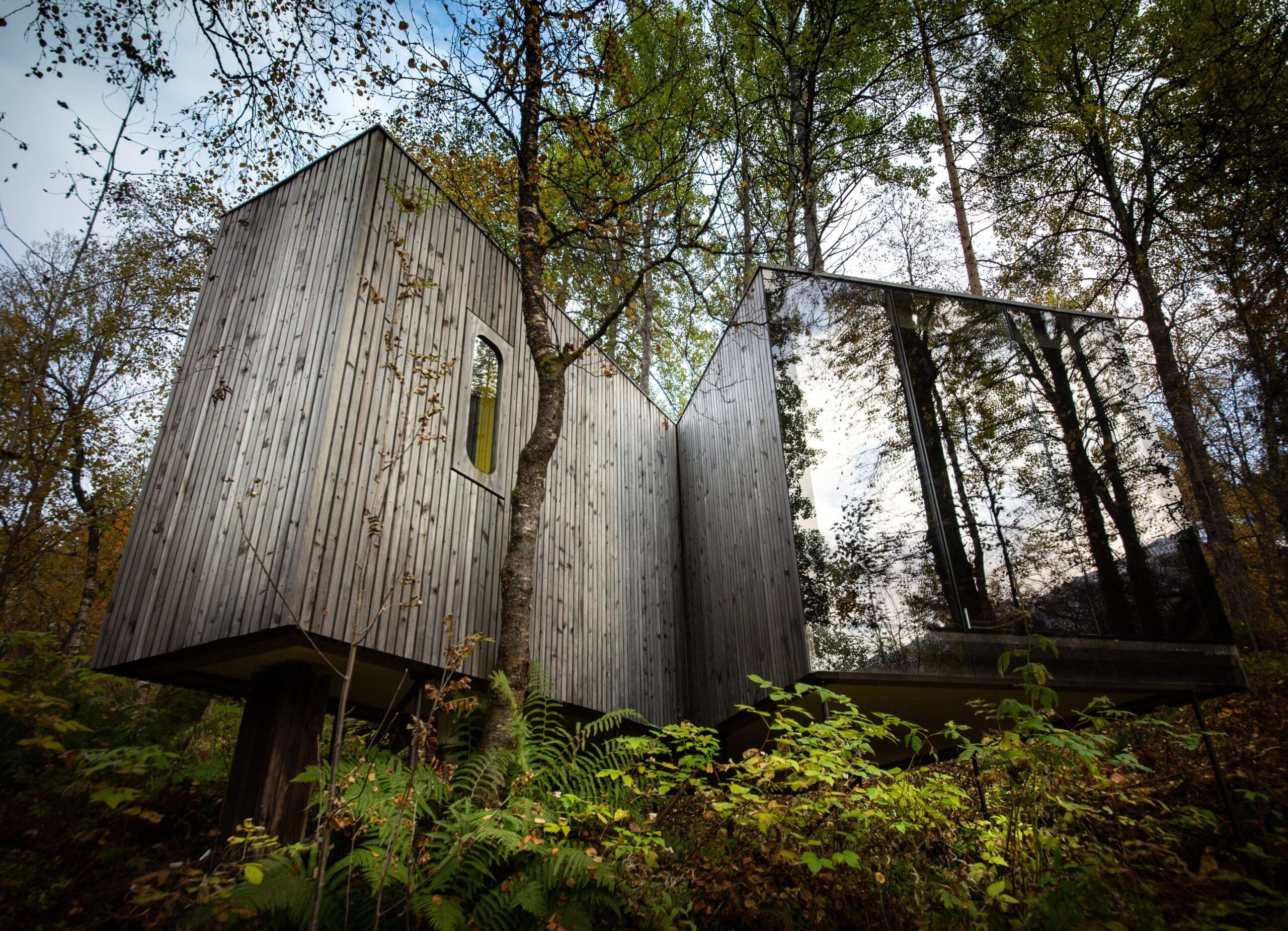
Stillness in the Autumn Fjords, Norway. A family-owned hideaway on Norway's north-west coast, about an hour and a half from Ålesund and close to Tafjord. Daily yoga and meditation with Felicity Wood in a riverside studio, gentle hikes, a bath-house and an open fire.
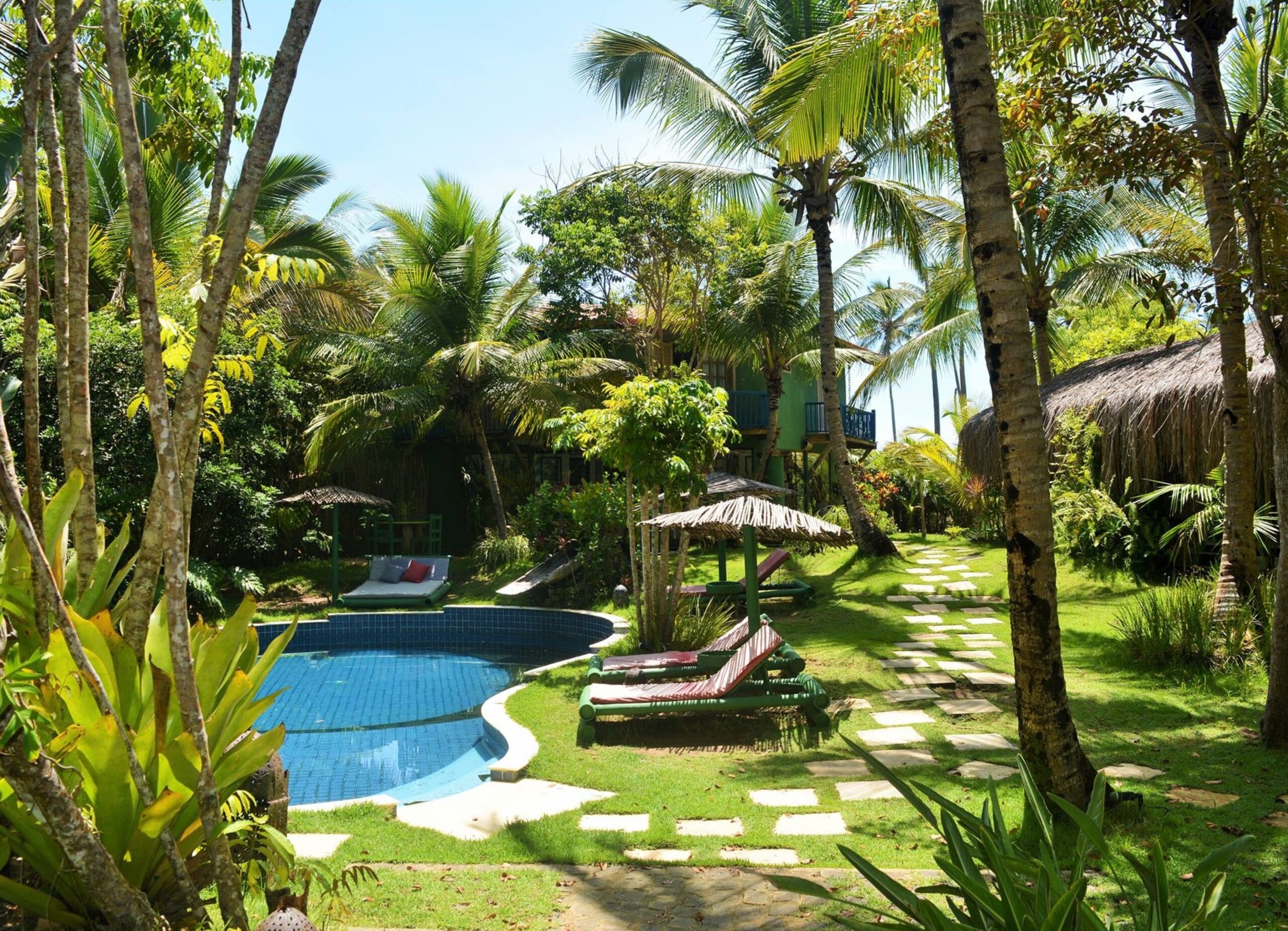
Slow Days on Bahia's Wild Coast, Brazil. Twice-daily yoga with Matthew Shaw on a sheltered deck by the sea on the Maraú Peninsula. Days for swimming, walking the beach or lying in a hammock, and quiet evenings under the stars.
Far enough to switch off
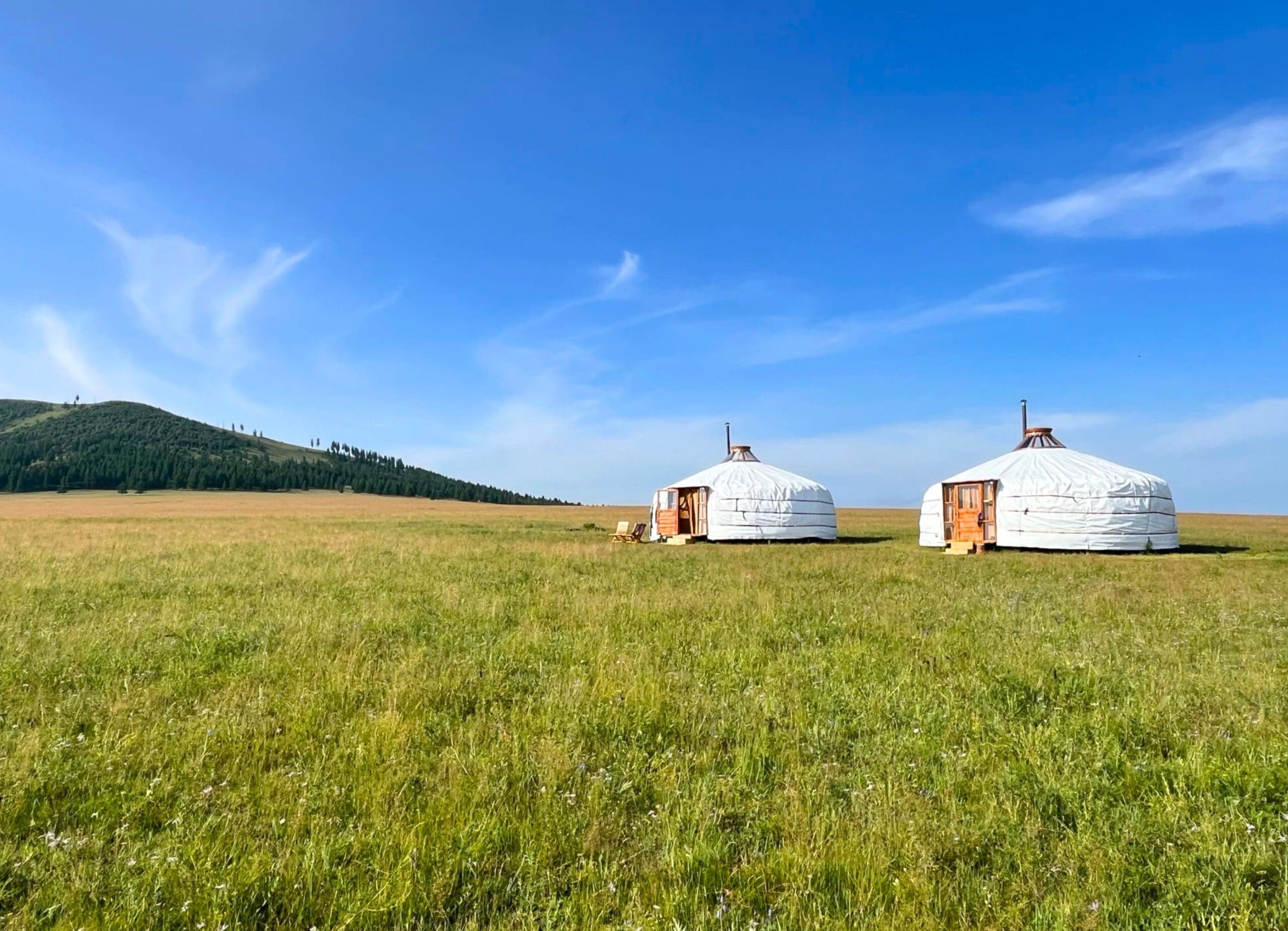
Wild Horizons and Nomad Lands, Mongolia. Private ger camps in the East Gobi and the Khan Kentii wilderness, with yoga and meditation with Felicity Wood and hikes with a local herder. The Gobi camp is almost 140 km from the nearest sizeable town, under a night sky with no measurable light pollution.
Sailing among icebergs and fjords, Greenland. A small group aboard the expedition vessel TULU, with yoga and meditation with Victoria Greene, sauna and cold-water dips. Internet is limited while you sail, which is the point.
Teacher:
Matthew Shaw X Yoga Roots
Teacher:
Felicity Wood

Teacher:
Victoria Greene
Teacher:
Felicity Wood
“On our retreats, people naturally stop reaching for their phones. They'll leave them in their room for the day and realise they haven't even thought about them.” Jools Sampson, founder
Each trip page has up-to-date dates and availability. You'll find more slower-paced trips in our Restorative Retreats collection.
Questions
Is burnout a medical condition?
No. The World Health Organization classes burnout as an occupational phenomenon caused by long-term work stress, not as a medical condition. If you are worried about your health, speak to your GP.
How do you reset your nervous system?
There is no instant switch, but slow breathing and time outdoors both help your body move out of its stress response. The NHS suggests slow breathing for at least five minutes, and research suggests 20 to 30 minutes in nature gives the biggest drop in the stress hormone cortisol for the time spent.
How long should a burnout retreat be?
Our shortest trips are four nights, and many run for a week or longer.
Do I need to be good at yoga?
No. You don’t need to be experienced, though it helps to have tried yoga a few times before you come. Classes can be physically demanding, and our teachers adapt every session to all levels. If you’re unsure, get in touch and we’ll help you choose the right retreat.
Can I come on my own?
Yes. Over 70% of our guests travel solo, and groups are small, so everyone gets to know each other quickly.
Small groups, locally owned places, and a team that handles the details, so the only thing you need to do is turn up.